
Balance Machine: Ultimate Guide – Types, Specs & How to Choose the Right Wheel Balancer
Balance machine (also called a wheel balancer or tire balancing machine) is an essential tool for any auto shop, tire center, or serious DIY enthusiast. It detects and corrects wheel-tire imbalance—eliminating high-speed vibrations, reducing premature tire wear, and ensuring a smooth, safe drive. Modern balance machines use dynamic balancing technology (far more precise than outdated static balancing) to address imbalance in two planes, making them a non-negotiable investment for anyone servicing vehicles.
This guide breaks down everything you need to know about balance machines: types, critical specs, must-have features, and how Auto-Hydra’s professional-grade models fit your business needs.
What Is a Balance Machine? (Definition & Key Terms)
A balance machine is a diagnostic tool designed to identify uneven weight distribution in wheel-tire assemblies. When a wheel is imbalanced, it creates centrifugal force at high speeds—causing steering wheel vibration, uneven tire wear (e.g., cupping or feathering), and increased stress on suspension components. Over time, this leads to costly tire replacements and compromised safety.
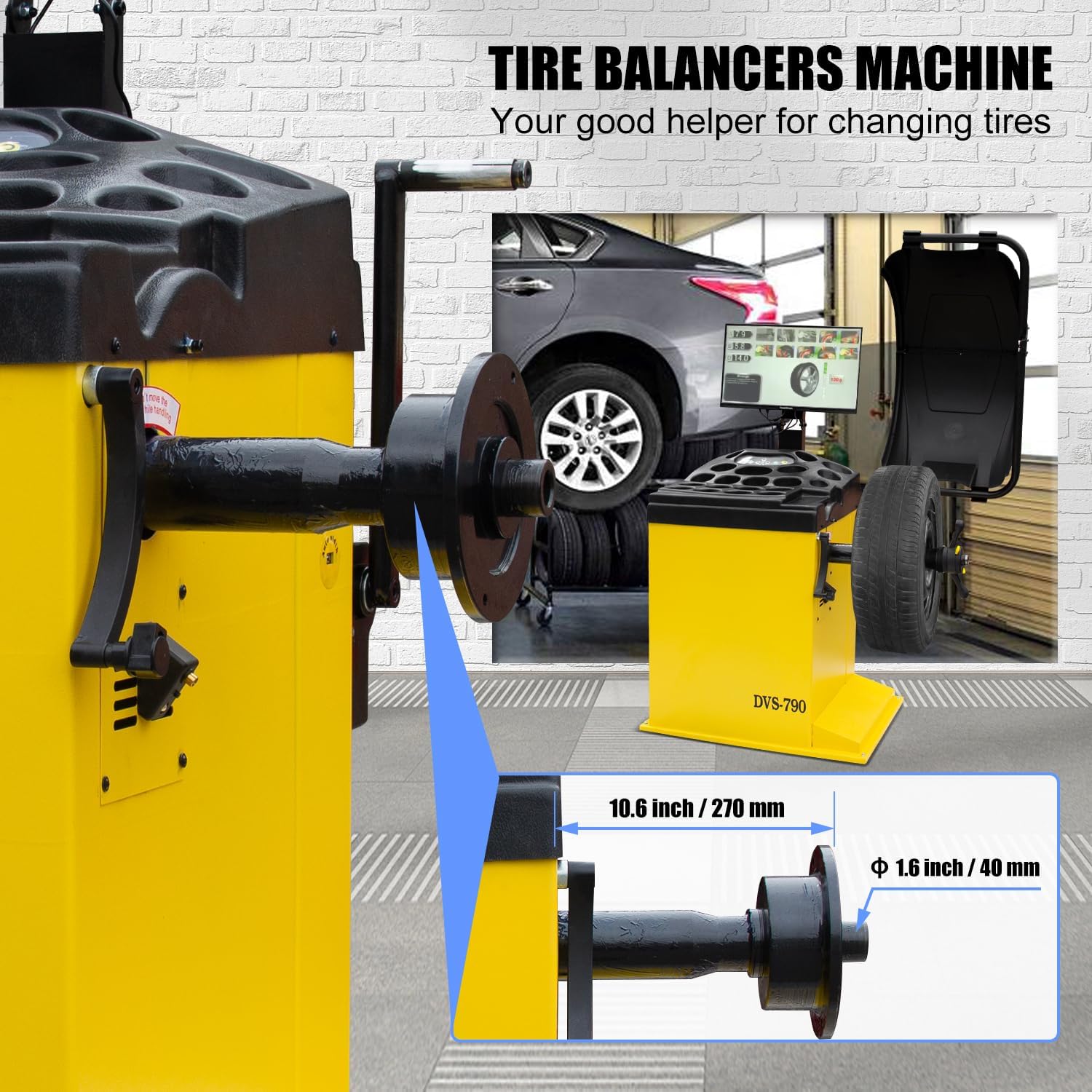
Core Terms to Understand:
- Dynamic Balancing: The gold standard for modern balance machines. It measures imbalance in two planes (radial and lateral) for precision correction—critical for today’s low-profile tires and high-speed driving. Outdated static balancing (measuring only one plane) is no longer suitable for most vehicles.
- Imbalance Correction: The machine calculates the exact weight (in grams) and position needed to balance the wheel, typically using lead or adhesive weights.
- TPMS Compatibility: Modern balance machines must be TPMS-safe—designed to avoid damaging tire pressure monitoring sensors (TPMS) installed in most vehicles.
Why Balancing Is Non-Negotiable:
According to tire industry data, unbalanced wheels reduce tire lifespan by 20–30% and increase fuel consumption by up to 5%. A quality balance machine pays for itself by reducing customer complaints, lowering warranty claims, and boosting service efficiency.
Key Types of Balance Machines (For Every Budget & Shop Size)
Balance machines range from budget-friendly manual models to high-end automatic systems—each tailored to specific shop volumes and service needs.
| Balance Machine Type | Core Features | Price Range | Ideal Applicable Scenarios |
|---|---|---|---|
| Manual Balance Machine | Requires manual input of rim size/width; no automatic measurements; basic static/dynamic balancing. | 500–1,200 | Home garages, hobbyists, or low-volume DIY workshops with tight budgets. |
| Semi-Automatic Balance Machine | Automatically measures wheel dimensions (diameter, width, offset); manual weight placement guidance. | 1,200–2,500 | Small auto repair shops, quick-lube centers, or mobile tire services (5–10 wheels/day). |
| Fully Automatic Balance Machine | Automatic measurement + weight position calculation + graphic guidance; fast spin cycles. | 2,500–5,000 | Mid-size to large tire shops, 4S dealerships, or fleet maintenance centers (10–30 wheels/day). |
| Touchless / Laser Balance Machine | Non-contact laser sensors; no physical clamping on rims; protects premium/forged wheels. | 5,000–10,000+ | Luxury car specialty shops, high-end tire retailers, or shops servicing expensive aftermarket rims. |
💡 Expert Recommendation: For commercial use (even small shops), skip manual models—semi-automatic or fully automatic balance machines save 50% of service time and reduce human error, leading to happier customers and higher throughput.
Critical Specs to Compare When Buying a Balance Machine
Not all balance machines deliver the same performance. Focus on these non-negotiable specs:
| Key Specification | Why It Matters | Professional-Grade Recommendation |
|---|---|---|
| Rim Diameter Range | Determines vehicles you can service (cars, SUVs, light trucks). | 10”–26” (covers 99% of consumer/light commercial vehicles) |
| Balancing Accuracy | Directly impacts driving smoothness—poor accuracy = persistent vibrations. | ≤ ±1g (gold standard; avoid >±2g) |
| Motor Power | Affects spin-up speed, noise, and durability. | ≥ 250W (handles heavy wheels without strain) |
| Display Type | Influences ease of use and technician training time. | Color LCD with graphic weight placement guidance |
| Calibration Mode | Ensures long-term accuracy as sensors drift over time. | Automatic self-calibration (no manual adjustments) |
| Wheel Weight Capacity | Must support heavy SUV/truck assemblies. | ≥ 65kg (143 lbs) |
Must-Have Features for Professional Tire Shops
To stand out and service modern vehicles effectively, your balance machine needs these professional capabilities:
⚙️ Aluminum Wheel Mode
Alloy and forged rims have different mass distributions than steel. This mode adjusts the algorithm for precise correction—avoiding over-weighting and ensuring clean balance.
✅ Hidden Weight / Inner-Outer Weight Calculation
Many customers prefer weights hidden inside the rim for aesthetics. A quality machine calculates exact inner/outer or concealed placements—enhancing customer satisfaction.
🛡️TPMS-Safe Design
TPMS sensors cost 50–150 each. A TPMS-safe design uses gentle clamping and non-intrusive measurement to prevent damage—reducing liability and repair costs.
⏱️ Quick Spin Cycle
Look for <8 seconds from start to result. In a busy shop, every second counts—faster cycles = more wheels per day.
🛡️ Wheel Hood Protector
A safety hood contains debris (loose weights, dirt) and shields technicians from rotating wheels. Auto-Hydra includes a durable, easy-to-clean hood as standard.
Common Mistakes to Avoid When Choosing a Balance Machine
Even with good specs, these errors can undermine your investment:
⚠️Ignoring Voltage Requirements
Most commercial units require 220V. Confirm your shop’s electrical capacity—adding a new circuit adds unexpected cost and downtime.
⚠️ Buying Uncertified Cheap Machines
Avoid no-name brands without CE/FCC certification. They often fail safety standards, lack parts support, and deliver poor accuracy. Certified = reliable.
⚠️ Overlooking Rim Clamp Compatibility
Specialty rims (deep-dish, multi-piece, beadlock) need adaptable clamps. Choose models with interchangeable or adjustable clamps for versatility.
⚠️ Sacrificing Accuracy for Price
A $500 manual unit may seem cheap—but leads to rework, complaints, and lost trust. For commercial use, ≤±1g accuracy is non-negotiable.
⚠️ Forgetting About After-Sales Support
Machines need occasional calibration or clamp replacement. Choose a brand with responsive support and available parts—not one that vanishes after sale.
Auto-Hydra’s Top-Rated Balance Machine [Shop Now]
Auto-Hydra’s professional-grade balance machine is engineered for busy tire shops, auto repair centers, and fleet managers—combining precision, speed, and durability at a competitive price.
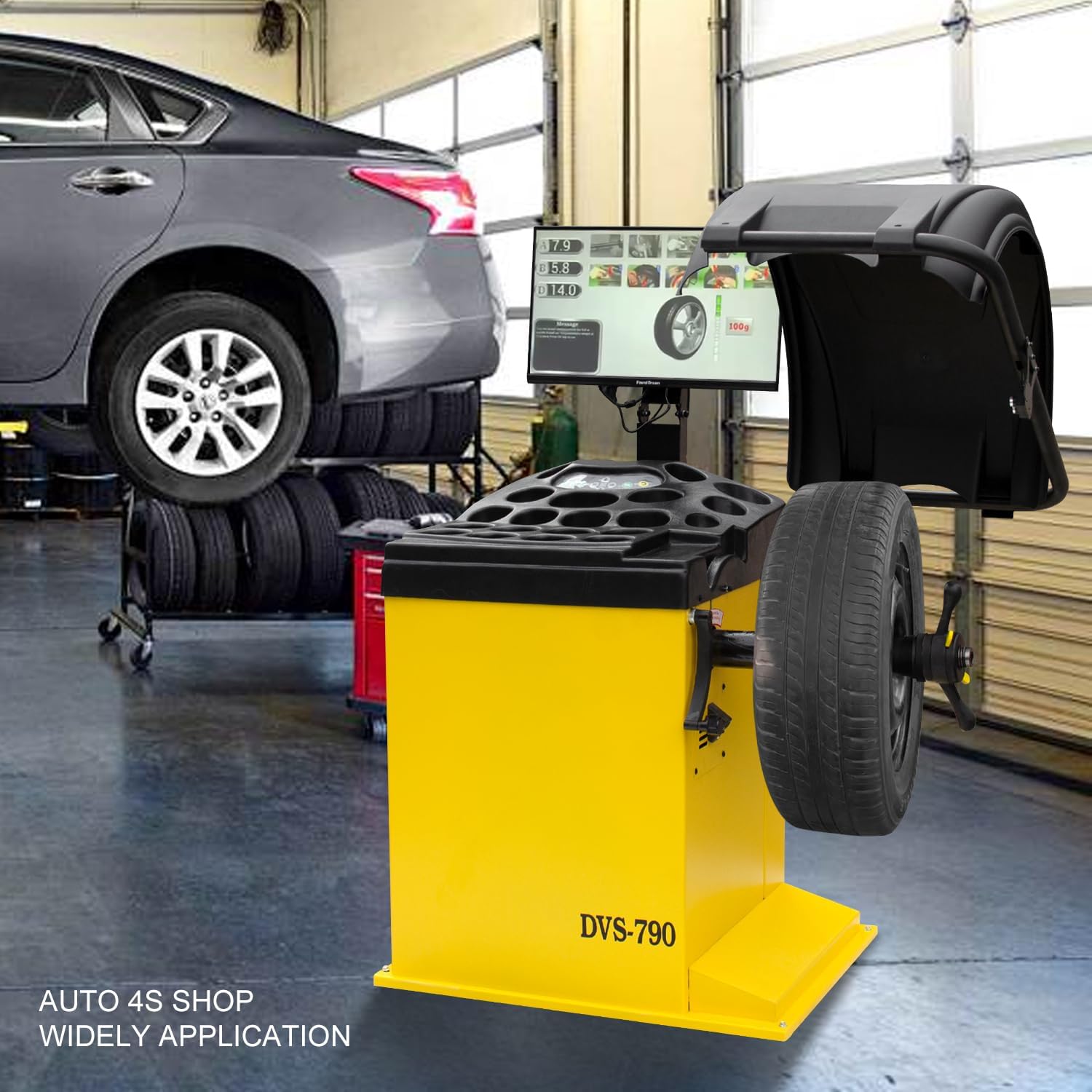
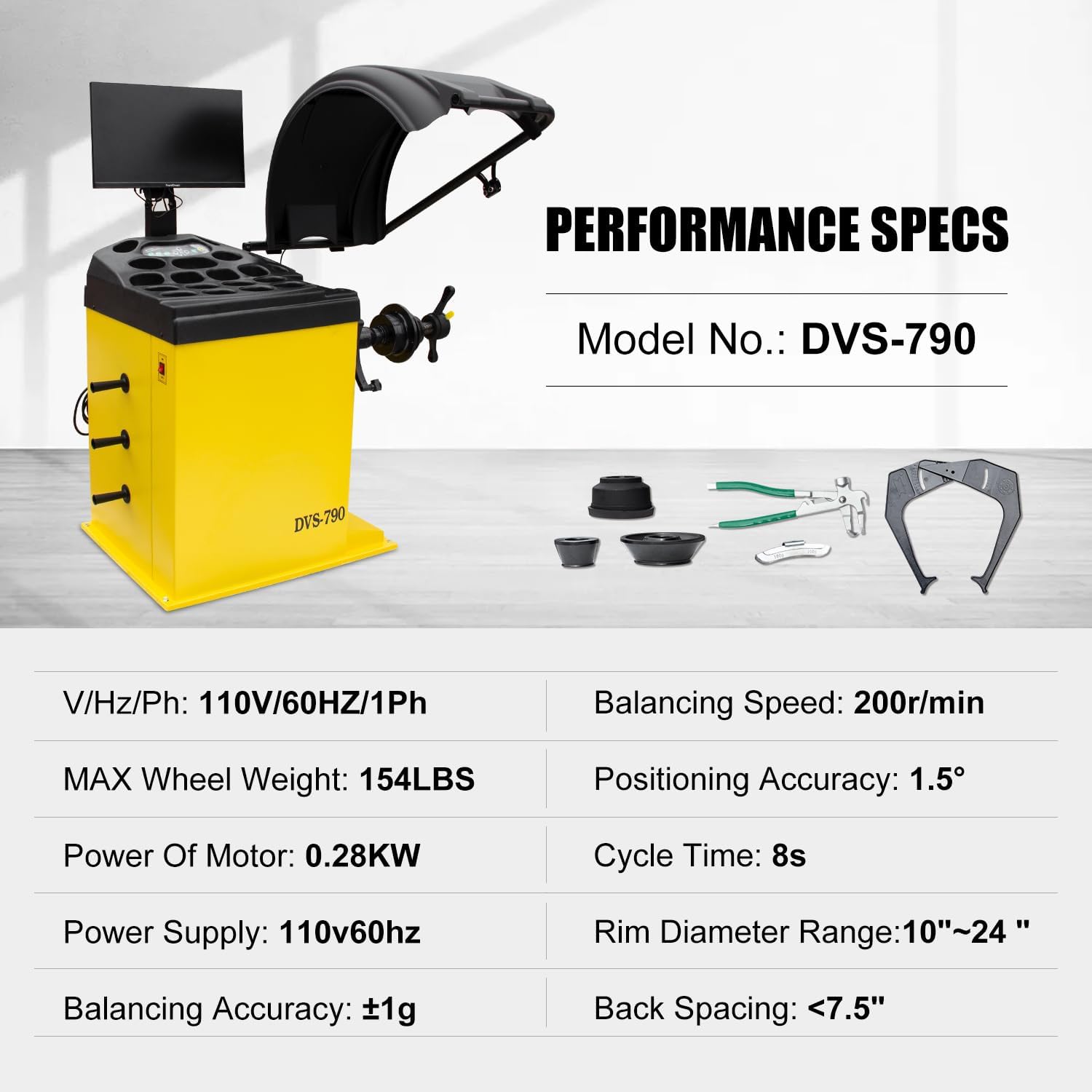
Key Features & Specs :
- Rim Diameter Range: 10”–24” (covers passenger cars, SUVs, light trucks)
- Balancing Accuracy: ≤ ±1g (vibration-free drives)
- Motor Power: 300W (spin cycle <8 sec; quiet operation)
- Display: Color LCD with graphic weight placement guidance
- Professional Modes: Aluminum wheel mode, hidden weight calculation, TPMS-safe design
- Safety Features: Durable wheel hood + emergency stop button
- Warranty: 2-year full warranty (parts & labor) + lifetime technical support
Why It’s Perfect for Your Shop
✅ Versatility: Services 95% of consumer vehicles—from compacts to full-size SUVs
✅ Efficiency: Cuts balancing time by 30% vs. manual models—handles 15+ wheels/day
✅ Durability: Heavy-duty steel frame + high-quality motor for daily commercial use
✅ Cost-Effective: Priced under $2,500—delivers fully automatic performance at a semi-auto price
🔗 Explore our full lineup: Auto-Hydra Tire Equipment Collection
❓FAQ: Expert Answers About Balance Machines
Q1: Can a balance machine work without adding weights?
✅No—weights are required for correction. Some high-end models offer "weightless balancing" by rotating the tire on the rim, but it’s less precise and not recommended for professional service. Adhesive or clip-on weights remain the industry standard.
Q2: How often should I calibrate my balance machine?
✅ Every 3–6 months, or after moving the unit. Most pro models (like Auto-Hydra’s) feature automatic self-calibration—run it monthly for peak accuracy.
Q3: Is a 110V balance machine powerful enough for commercial use?
✅ Only for low-volume shops (5–10 wheels/day). For busier operations (10+ wheels/day), choose 220V + ≥250W for speed and reliability.
Q4: Can a balance machine damage my customers’ rims?
✅ Only if poorly designed or misused. Choose a TPMS-safe model with soft-grip clamps, and follow manufacturer guidelines. Auto-Hydra includes rim-friendly clamps and touchless options for premium wheels.
Q5: What’s the difference between a balance machine and a tire changer?
✅ A balance machine corrects imbalance (vibration/wear); a tire changer mounts/demounts tires. They’re complementary tools—most shops need both. Auto-Hydra sells them separately or as cost-saving combos.
🛠️ Equip Your Shop with Precision, Speed & Confidence
Auto-Hydra’s balance machines are built for real-world demands—delivering professional accuracy, operator safety, and long-term reliability whether you run a neighborhood garage or a high-volume tire center.
✅ Our Best-Selling Solutions:
| Product | Highlights |
|---|---|
| Professional Automatic Balance Machine (10”–24”) | ≤±1g accuracy • 300W motor • 2-year warranty • TPMS-safe |
| Tire Changer + Balance Machine Combos | Save 15% • Fully integrated workflow • Ideal for new bays |
| Full Tire Equipment Collection | Changers, balancers, jacks, and accessories—all engineered for durability |
Don’t let vibrations, uneven wear, or customer comebacks slow you down. With the right balance machine, every wheel rolls smoother, lasts longer, and earns your shop a reputation for precision.
🔗 Upgrade your service bay today—with Auto-Hydra.
🔍 Learn More
- Tire Machine Combo Buying Guide: How to Choose the Right Tire Machine Combo for Your Shop
- Top Factors When Evaluating Auto Car Lifts for Sale (Home Use Guide)
- Tire and Wheel Balancer Guide: Boost Safety and Comfort
- View All Automotive Service Equipment
- Explore Current Promotions & Special Offers
Recommended News