
Tire Machine Combo Buying Guide: How to Choose the Right Tire Machine Combo for Your Shop
Buying a tire changer and balancer separately can cost 30% more — but a cheap combo might slow you down or damage rims. For auto repair shop owners, fleet managers, tire shop operators, and high-end DIY enthusiasts, choosing the right tire machine combo is a balancing act between three critical factors: budget constraints, garage space limitations, and operational efficiency.
A poorly matched setup will lead to longer service times, unhappy customers, and unnecessary replacement costs, while the right combo streamlines workflows, protects valuable rims, and maximizes your return on investment.
This guide cuts through the noise to deliver a practical, decision-driven framework for selecting the perfect tire changer and wheel balancer combo. Whether you’re a home DIYer with a passion for cars or a commercial tire shop handling dozens of vehicles daily, you’ll find clear comparisons, real-world examples, and actionable tips to make the best choice for your business.
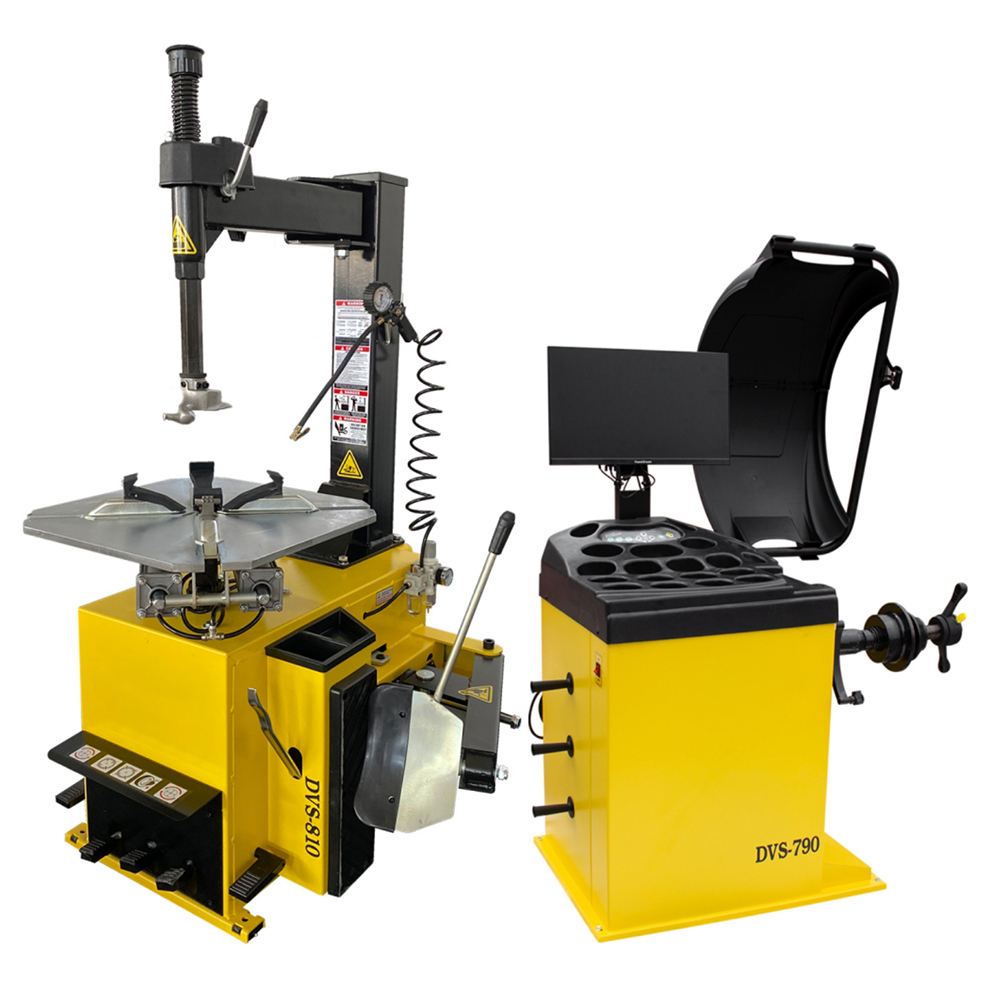
Buy Now →AutoHydra Tire Changer and Balancer Combo
Step 1: Define Your Shop Type & Daily Tire Service Volume
The first rule of tire machine combo selection is to align your purchase with your actual usage. Different business types and daily service volumes demand drastically different configurations — a combo that works for a home garage will fail in a busy commercial shop, and vice versa.
| Customer Type | Daily Tire Service Volume | Core Service Focus | Recommended Combo Configuration |
| Home Garage / High-End DIY | < 2 jobs/day | Personal vehicles, classic car restoration | Compact 2-in-1 combo, 16–21" rim capacity, 110V compatible |
| Small Tire Shop / Independent Garage | 5–15 jobs/day | Passenger cars, SUVs, light trucks | Mid-range combo (or entry-level separates), 12–24" capacity, dynamic balancing |
| Commercial Fleet Shop / Mid-Size Store | 15+ jobs/day | Fleet vehicles, heavy SUVs, light commercial trucks | Separate heavy-duty units, 10–26" capacity, advanced safety features |
| Specialized Shop (Performance/Heavy-Duty) | Varies (high complexity) | Low-profile, run-flat, forged rims, semi-truck tires | Premium separate machines, specialized clamping, precision balancing |
✅ Critical Question to Ask:
Do you frequently handle high-complexity tires (low-profile, run-flat) or premium rims (forged, polished alloy)?
If yes, prioritize rim-protective features and powerful motors—cutting corners here leads to costly rim damage and customer complaints.
Step 2: Tire Machine Combo vs. Separate Machines – Full Pros & Cons
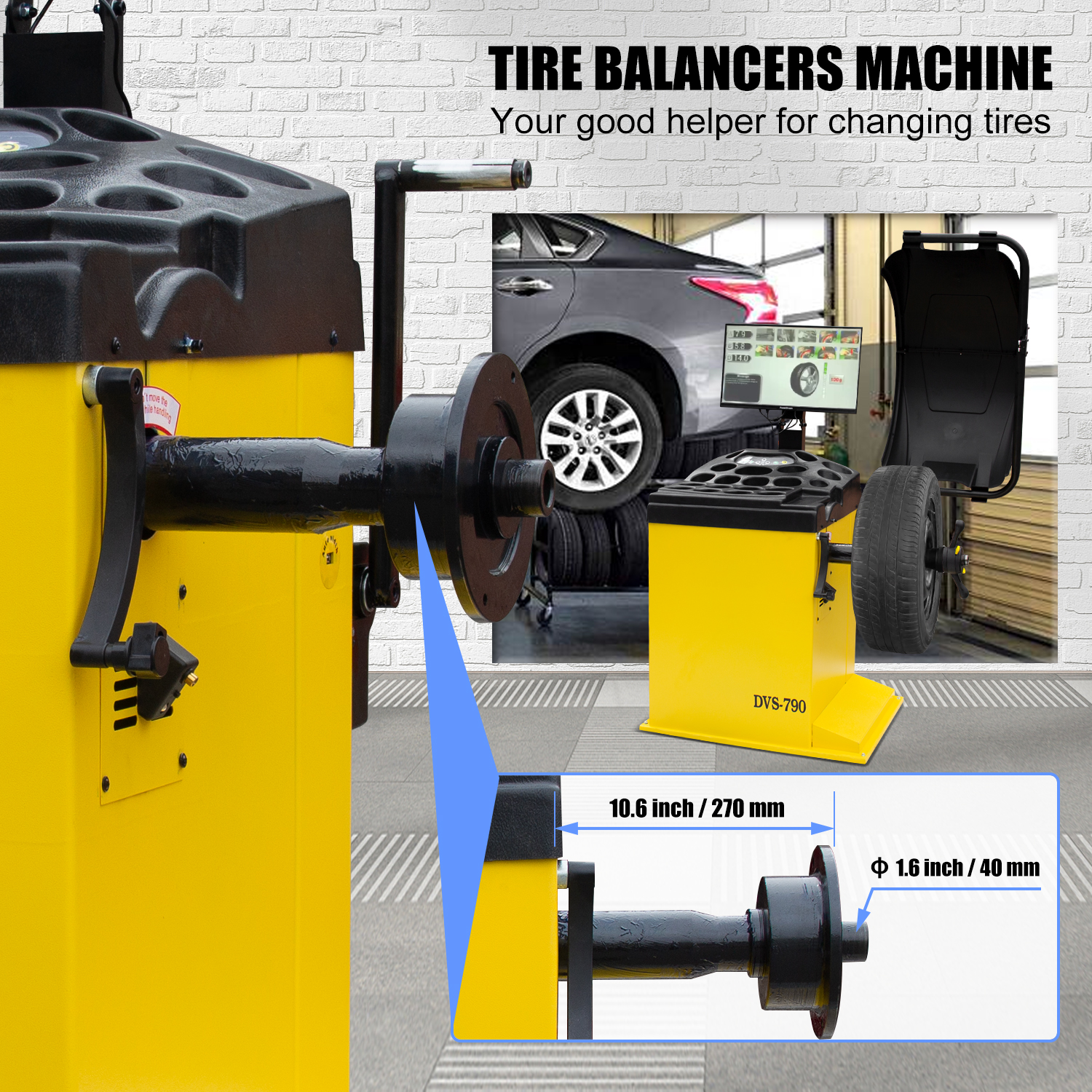
The biggest dilemma is choosing between an all-in-one combo and standalone units. This hinges on space, budget, and workflow needs.
| Comparison Dimension | All-in-One Combo | Separate Machines |
| Upfront Cost | ✅ Lower (2,500–4,500); saves 20–30% | ❌ Higher (3,500–7,000+) |
| Floor Space | ✅ Compact — one footprint | ❌ Needs 2x space |
| Operational Efficiency | ❌ Sequential workflow (one task at a time) | ✅ Parallel workflow — faster turnaround |
| Durability | ⚠️ Lighter build (plastic parts in entry models) | ✅ Commercial-grade steel, built for daily use |
| Upgrade Flexibility | ❌ Must replace entire unit | ✅ Upgrade changer or balancer independently |
| Installation | ✅ Single power source, easy setup | ❌ Two installations, calibration needed |
💡 Expert Recommendation:
If you handle fewer than 8 tires per day, an all-in-one combo is cost-effective and space-saving.
For 8+ daily jobs or specialized services, separate machines deliver long-term ROI through speed, reliability, and flexibility.
Step 3: Key Features to Compare in a Tire Machine Combo
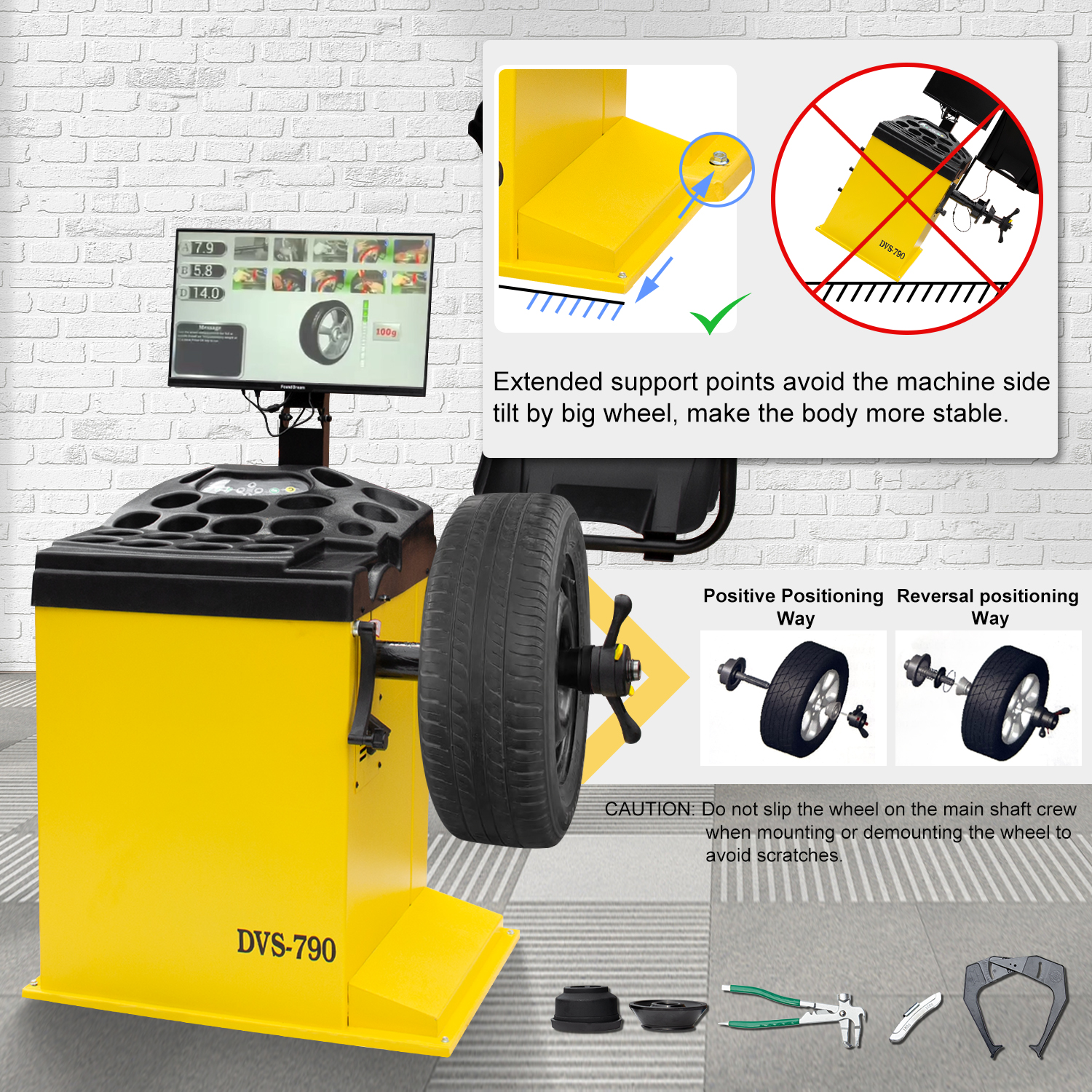
Not all combos are equal. Use this checklist to match features to your service level:
| Key Feature | Basic Combo | Professional Combo | Why It Matters |
| Rim Capacity | 12–21" | 10–26" | Covers SUVs, trucks, and aftermarket wheels |
| Clamping Style | Center Post Clamp | 🛡️ Rim Clamp (No-Center Contact) | Prevents scratches on polished/forged rims |
| Balancing Mode | Static Only | ✅ Static + Dynamic (2-Plane) | Eliminates vibrations — essential for highway speeds |
| Motor Power | 1.0–1.5 HP | 1.5–2.0 HP | Handles stiff run-flats and truck tires without strain |
| Safety Features | Manual Lock | Auto-brake, sensors, emergency stop | Reduces accidents and rim damage |
| TPMS Compatibility | ❌ Not designed | ✅ TPMS-Safe Operation | Avoids 50–100 sensor damage per wheel |
| Additional Tools | Basic demount head | Adjustable head, bead sealer, rim protectors | Enables complex tire services (e.g., low-profile) |
Step 4: Don’t Forget Compatibility & Post-Sale Support
A combo is a long-term investment—don’t overlook these often-missed factors:
⚡ Electrical Compatibility
● Voltage: Home units = 110V; commercial = 220V. Verify your shop’s capacity.
● Circuit Load: High-HP combos (1.5+ HP) may need a dedicated circuit to avoid tripping breakers.
🛠️ Brand Reliability & Warranty
● Warranty: Look for ≥1 year full coverage (parts + labor). Premium brands offer 2–3 years on motors/hydraulics.
● Support: Ensure local service partners or responsive tech support—downtime kills productivity.
🧩 Accessory Availability
● Wear Parts: Demount heads, clamps, cones should be readily available and affordable.
● Expandability: Can it accept larger clamps or bead breakers as your business grows?
Real-World Examples: Which Tire Machine Combo Fits You?
Example 1: 🏙️ Suburban Tire Shop with Tire Machine Combo (8–10 Jobs/Day)
● Need: Cost + space efficiency for cars & SUVs
● Pick: Mid-range rim clamp combo, 12–24", dynamic balancing, 1.5 HP motor
● Why: Protects alloy rims, handles run-flats, fits small bays
Example 2: 🚐 Mobile Tire Service with Tire Machine Combo (On-Site Fleets)
● Need: Portable, 110V, van-compatible
● Pick: Lightweight 2-in-1 combo (16–21"), built-in wheels, 110V
● Why: Plugs into standard outlets; fits in service vans
Example 3: 🏁 High-Performance Mod Shop with Tire Machine Combo
● Need: Zero compromise on rim protection & precision
● Pick: Separate professional changer + precision balancer
● Why: Parallel workflow + rim clamp + 2-plane balancing = premium client satisfaction
Common Mistakes to Avoid When Buying a Tire Machine Combo
❌ Prioritizing price over motor power → 1.0 HP stalls on run-flats
❌ Ignoring rim capacity limits → Can’t service 22"+ aftermarket wheels
❌ Overlooking TPMS compatibility → Risk $100+ sensor damage per job
❌ Forgetting weight & installation → 500+ lb units need reinforced floors & professional setup
❌ Skipping the demo → Controls may be clunky or balancing inaccurate in practice
❓FAQ: Common Questions About Tire Machine Combo Selection
Q1: Can a tire machine combo handle run-flat tires and low-profile tires?
Yes—but only with the right features. Look for 1.5 HP+ motor, adjustable bead breaker, and rim clamp design. Basic models may struggle or damage sidewalls.
Q2: How much space do I need for a tire machine combo?
Compact units need 4' x 6'; commercial models may require 5' x 7'. Always check manufacturer specs before purchasing.
Q3: Is a 110V tire machine combo powerful enough for commercial use?
It depends. 110V works for 5–8 tires/day, but 220V is recommended for consistent performance with 10+ daily jobs.
Q4: How long does a tire machine combo last?
● Mid-range/professional: 5–10 years with maintenance
● Basic DIY models: 3–5 years
→ Extend life with regular lubrication, cleaning, and timely part replacement.
Q5: Do tire machine combos come with a warranty?
Most reputable brands offer 1-year parts/labor warranty. Premium models include 2–3 years on motors/hydraulics.
⚠️ Always read fine print—some exclude wear items like clamps or demount heads.
Conclusion + Next Steps to Get Your Perfect Tire Machine Combo
Use this simple decision tree:
● <8 tires/day + tight space + limited budget → ✅ All-in-one combo
● >8 tires/day + efficiency focus → ✅ Separate machines
● Premium clients + expensive rims → ✅ Rim clamp + dynamic balancing + TPMS-safe
Now that you have your roadmap—it’s time to equip your shop with confidence.
🚗 Equip Your Shop with Precision, Power & Peace of Mind
AutoHydra offers a curated selection of tire machine combos—from compact DIY units to heavy-duty commercial systems—all engineered for durability, accuracy, and rim protection.
✅ Your Next Steps: 👉 Browse AutoHydra Tire Machine Combo
🔧 Upgrade your tire service today.
Recommended News