
Tire and Wheel Balancer Guide: Boost Safety and Comfort
What Is a Tire and Wheel Balancer?
👉Let's take a look at what it looks like first——
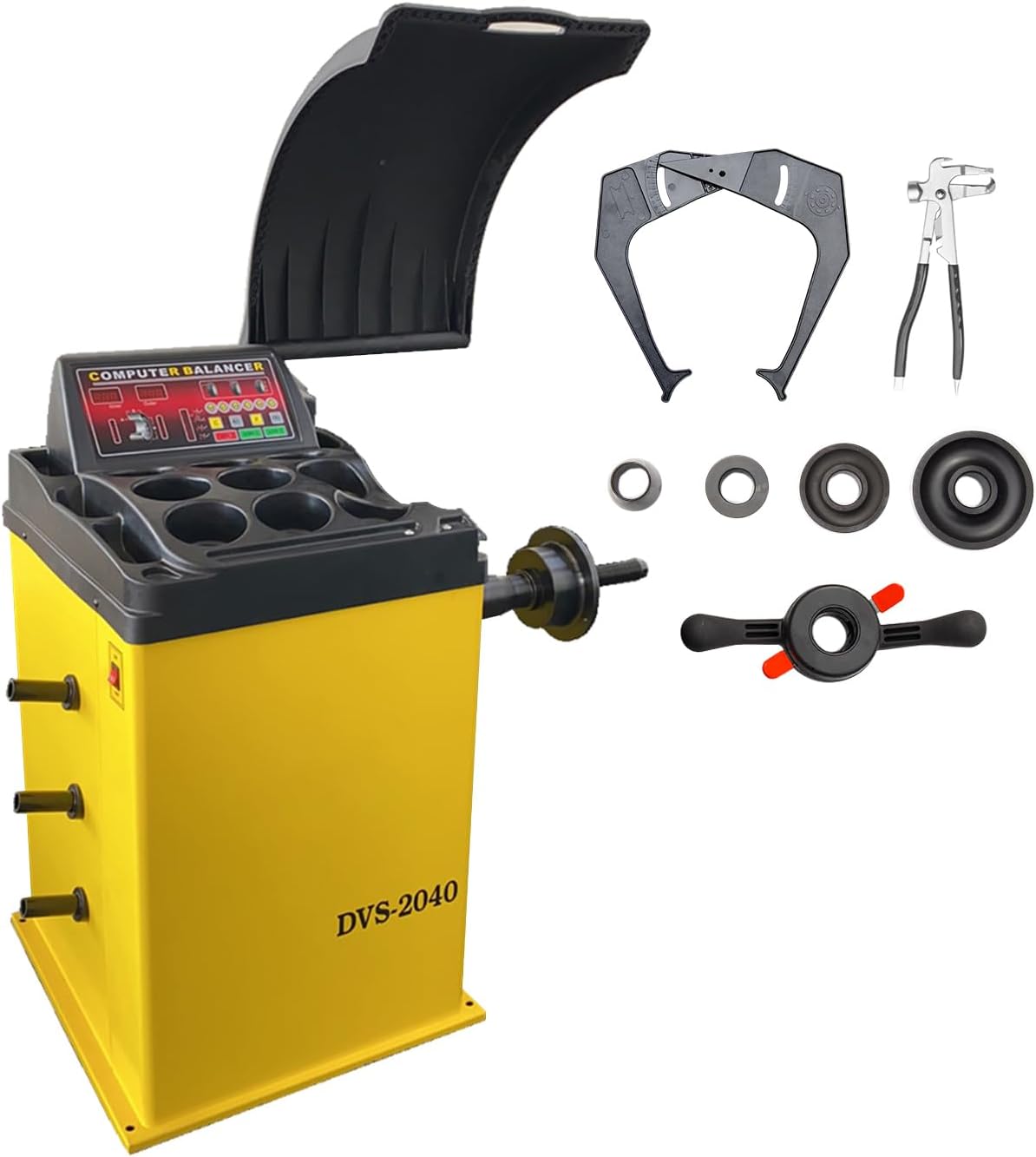
💡Definition and Working Principle
A tire and wheel balancer is a machine designed to detect and correct uneven weight distribution in a mounted tire and rim assembly. When a wheel spins at high speeds, even small imbalances can cause vibrations, steering instability, and premature wear.
The balancer measures where weight needs to be added or removed. By attaching small counterweights to specific points on the rim, technicians can ensure the tire rotates evenly around its axis—reducing vibration and improving handling.
📊Why Tire and Wheel Balance Matters
Balancing the entire tire-wheel assembly is crucial because both components affect rotational stability. Unbalanced wheels cause steering wheel shake, floorboard vibration, and uneven tread wear. Over time, this can harm the suspension and reduce comfort and safety.
Benefits of Using a Tire and Wheel Balancer
🛡️2.1 Smoother Driving and Reduced Vibration
One of the first signs of imbalance is steering wheel vibration, especially at highway speeds. A tire and wheel balancer helps eliminate these vibrations, resulting in a smoother, quieter ride. Balanced tires ensure consistent traction and a more stable driving experience.
📏2.2 Longer Tire Lifespan and Lower Maintenance Cost
Unbalanced tires wear unevenly—often in a cupped or scalloped pattern. Regular balancing minimizes this, extending tire life and reducing the need for premature replacement. It also prevents excessive stress on suspension components, lowering long-term maintenance costs.
💧2.3 Better Fuel Efficiency and Vehicle Safety
Balanced wheels roll more efficiently, which means your engine doesn’t have to work as hard to maintain speed. The result: improved fuel economy. Moreover, a balanced tire set ensures stable contact with the road, enhancing braking performance and overall safety.
How to Choose the Right Tire and Wheel Balancer

📦3.1 Accuracy and Balancing Range
Precision is everything. Look for machines capable of ±1g accuracy. Advanced models automatically measure rim width, diameter, and offset, making calibration fast and consistent.
📦3.2 Compatible Rim Sizes and Tire Widths
Your choice depends on the range of wheels you handle. Shops servicing SUVs, trucks, or performance vehicles need a balancer that supports rim sizes up to 24–28 inches and wide tires.
📦3.3 Automation and Ease of Operation
Modern balancers feature LED displays, auto data entry, and self-calibration functions, reducing human error and saving time. Quick-release clamping and laser-guided weight placement can further improve efficiency.
📦3.4 Brand Reputation and After-Sales Support
Always consider the manufacturer’s reputation, warranty coverage, and spare part availability. Brands like AutoHydra offer reliable equipment backed by a 12-month parts warranty and robust customer support.
📝If you need a reference guide, you can click to view this article——Tire Balancing Machine: AUTO HYDRA’s 6 Models & Complete Buyer’s Guide .
How to Properly Use and Maintain a Tire and Wheel Balancer
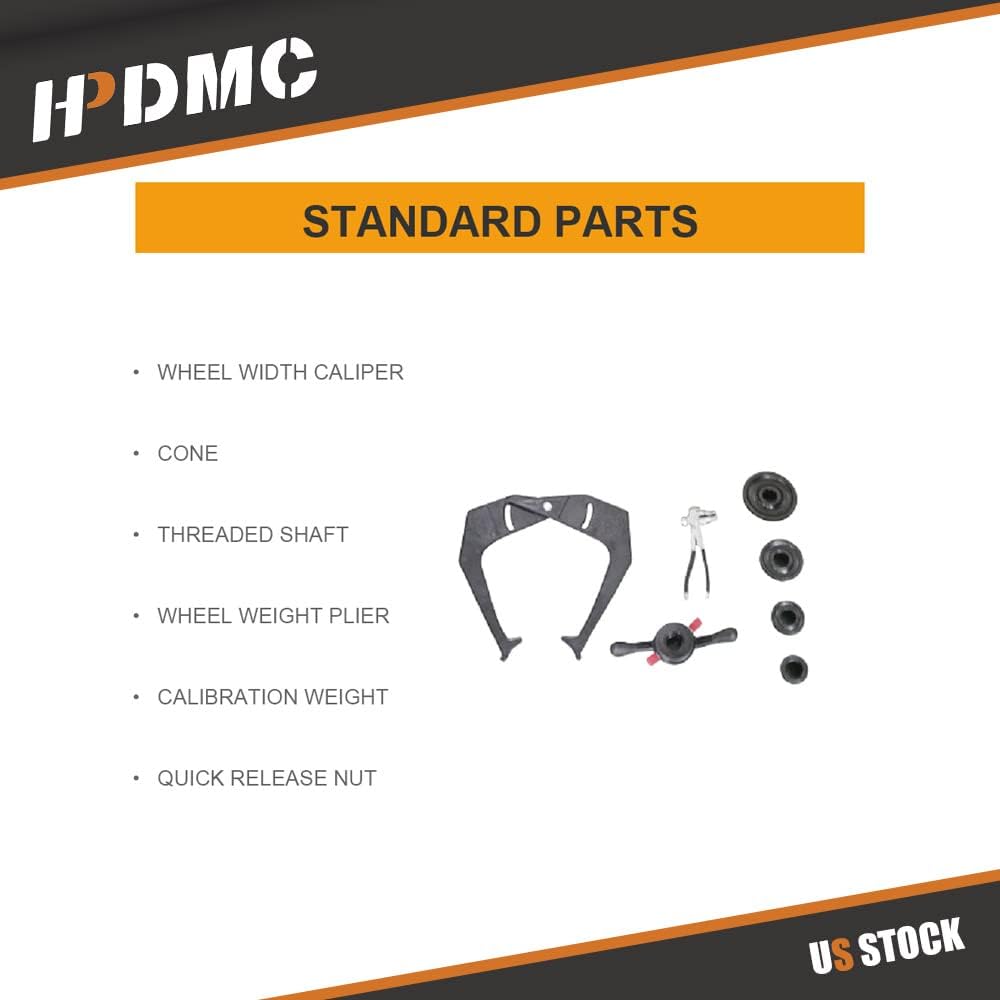
📐 Preparation Before Balancing
● Clean the rim and tire thoroughly. Remove any debris or stones.
● Check for visible rim damage or tire deformities.
● Ensure the shaft and cones on the balancer are clean and properly lubricated.
➕Common Mistakes During Operation
● Improperly centered wheels lead to inaccurate results.
● Using incorrect weights or placing them in the wrong location causes residual imbalance.
● After tire replacement or a strong impact (like hitting a curb), rebalancing is essential.
📝Maintenance Tips for Longer Service Life
● Recalibrate the balancer regularly for consistent accuracy.
● Keep the equipment level and stable.
● Clean sensors, motors, and shafts after daily use.
● Avoid using the machine in extreme temperatures or high humidity.
Tire and Wheel Balancer vs. Wheel Alignment and Rotation
✅Key Differences Between Balancing and Alignment
Balancing deals with mass distribution within the wheel-tire assembly, while alignment concerns the angles at which the tires contact the road.
● Balancing fixes vibration and uneven tire wear caused by weight differences.
● Alignment corrects steering pull or uneven tread wear caused by suspension geometry.Both are complementary—balancing ensures smooth rotation, and alignment ensures correct rolling direction.
👉Here are some related products; please click to view if needed——Wheel Alignment,and If you need a reference guide, you can click to view this article——3D Fully Automatic Wheel Aligner: AUTO HYDRA V3D-KL Review
✅Common Misconceptions and Best Service Combinations
● Myth: New tires don’t need balancing.
Fact: Every new tire and wheel combination should be balanced.
● Myth: If the steering wheel doesn’t shake, the tires are fine.
Fact: Minor imbalances can still cause internal wear and reduced performance over time.
The best practice is to balance your tires every 8,000–10,000 km or during each tire rotation.
Tire and Wheel Balancer Applications in Shops and Home Garages
📐Optimizing Workflow in Tire Service Centers
For auto repair shops, a tire and wheel balancer is indispensable. Automated models help technicians work faster, improving customer turnaround and satisfaction. The result is higher efficiency and reduced comebacks.
📝DIY and Small Garage Recommendations
Enthusiasts and small garages can also benefit. Compact balancers designed for home use make it easy to maintain perfect balance without relying on costly workshop visits. Choose a user-friendly, safety-certified model that matches your rim size range.
FAQ: Common Questions About Tire and Wheel Balancers
Q1: Do new tires need balancing?
Yes. Even brand-new tires can have slight weight differences that cause imbalance when mounted. Always balance after installation.
Q2: How do I know if my tires need rebalancing?
If you feel steering vibration, hear humming noises, or see uneven tread wear, it’s time to rebalance.
Q3: How often should balancing be done?
Every 8,000–10,000 km or at every tire rotation, whichever comes first.
Q4: What’s the difference between balancing and alignment?
Balancing eliminates vibration by correcting weight distribution; alignment ensures wheels point in the right direction.
Q5: Can I use a professional balancer at home?
Yes, as long as you choose a machine suited to your vehicle’s wheel sizes and have basic mechanical knowledge.
Why Choose AutoHydra Wheel Balancer?
Below is a detailed comparison showing why AutoHydra stands out among similar products:
| Feature | AutoHydra Wheel Balancer | Generic Balancer |
| Accuracy | ±1g precision for perfect balance | ±3–5g, less accurate |
| Rim Range | Supports 10″–24″ or larger | Limited rim compatibility |
| Ease of Use | Auto data input, LED display, self-calibration, quick clamping | Manual operation, time-consuming |
| After-Sales Support | 12-month warranty, available spare parts, responsive service | Limited warranty, harder to maintain |
| Cost Efficiency | Higher initial cost but long-term savings due to durability and fewer rebalances | Lower cost upfront but frequent recalibration or early failure |
🔥Why it matters:
AutoHydra’s wheel balancers combine industrial-grade precision with intuitive operation, making them ideal for both professional workshops and advanced DIY users. Their robust design ensures reliability, and their global service network provides peace of mind.
📝If you need a reference guide, you can click to view this article——Tire Balancing Machine: AUTO HYDRA’s 6 Models & Complete Buyer’s Guide
Act Now: Why You Should Buy a Tire and Wheel Balancer Today
If you manage an auto shop, run a service garage, or simply care about vehicle performance, investing in a tire and wheel balancer is a decision that pays for itself. It improves safety, comfort, and efficiency—while lowering long-term costs.
Whether you choose AutoHydra or another reputable brand, the key is don’t delay. Every kilometer you drive with unbalanced tires risks unnecessary wear and vibration. Equip your workshop or garage with a high-quality tire and wheel balancer today, and enjoy a smoother, safer, and more efficient drive tomorrow.
💪If you're interested, you can click to view-Tire and Wheel Balancer: The Key to Smoother, Safer Driving
Recommended News