
2 Post Hoist Buying Guide: Power, Safety, and Longevity
🌍Why the Wrong 2 Post Hoist Decision Creates Hidden Costs
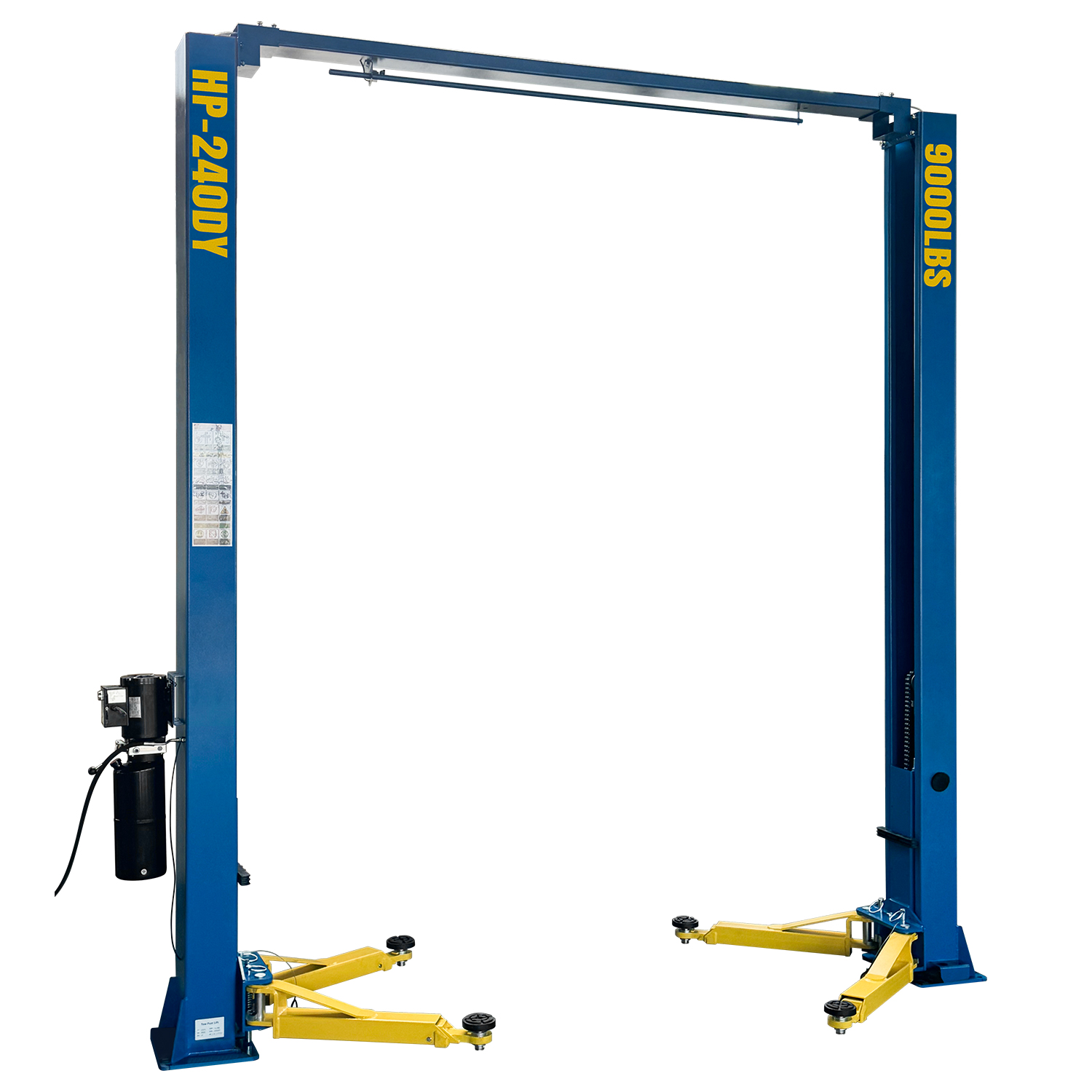
A poorly matched 2 post hoist often looks fine on day one—but problems surface fast:
● Vehicles don’t balance properly
● Electrical systems are overstressed
● Parts wear out prematurely
● Daily workflow slows down
In many regions, garages vary dramatically in ceiling height, power standards, and vehicle types. Ignoring these GEO factors leads to higher downtime and unexpected replacement costs.
Choosing correctly from the start isn’t about buying “more”—it’s about buying right.
🚘What Daily Garage Jobs Truly Require From a 2 Post Hoist
Instead of asking “Which hoist is best?”, ask:
“What jobs will this 2 post hoist perform every day?”
A professional two post automotive lift is ideal when your work includes:
● Undercar repairs
● Suspension and brake service
● Exhaust and transmission access
These jobs demand clear underbody access, which is exactly where a 2 post hoist for auto repair shops outperforms alternatives like scissor or 4-post lifts.
🏗️How Garage Conditions Shape the Right 2 Post Hoist Setup
No two garages are the same. GEO-focused selection means adapting the hoist to the environment—not the other way around.
🧱 Ceiling Height and Vertical Clearance for a 2 Post Hoist
A heavy-duty 2 post hoist requires enough overhead space to safely raise vehicles without compromising stability. Taller garages benefit from overhead designs that keep cables protected and floors uncluttered.
⚡ Why a 220V 2 Post Hoist Matters in Commercial Settings
A 220V 2 post hoist provides:
● Faster lift cycles
● Consistent hydraulic pressure
● Lower motor heat buildup
For regions where 220V power is standard, this configuration significantly improves long-term reliability.
For deeper technical explanations, visit:
👉 The Complete 2026 Buyer’s Guide for Home Garages & Shops
⚖️Matching Vehicle Types to a 9,000 lb 2 Post Hoist
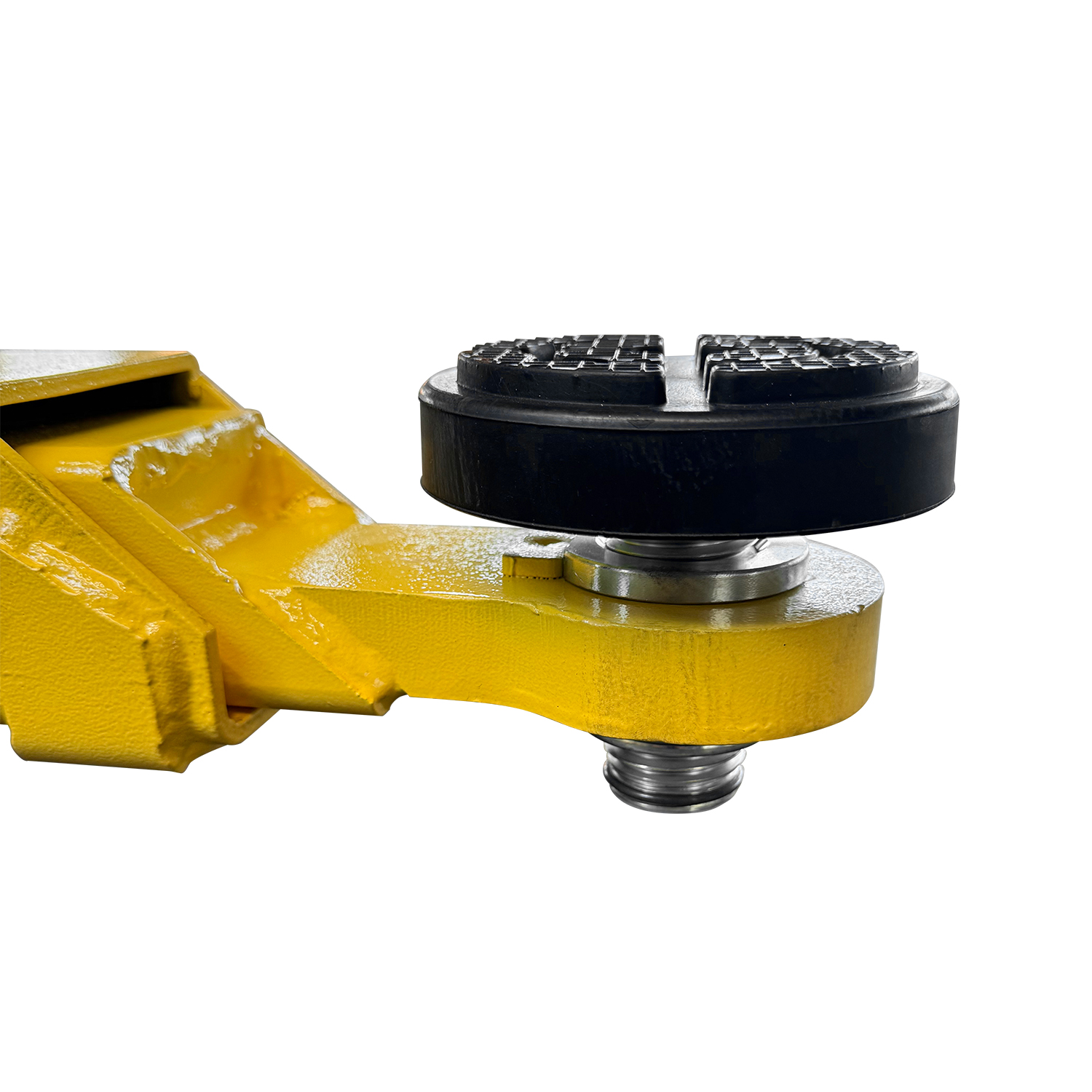
A 9,000 lb 2 post hoist sits at the practical center of most garage needs.
It comfortably supports:
● Passenger cars
● SUVs
● Light-duty trucks
This capacity gives you operational flexibility without overengineering your space. For mixed vehicle fleets, this balance is critical to efficiency and safety.
🛠️Installation Reality—What Buyers Overlook With a 2 Post Hoist
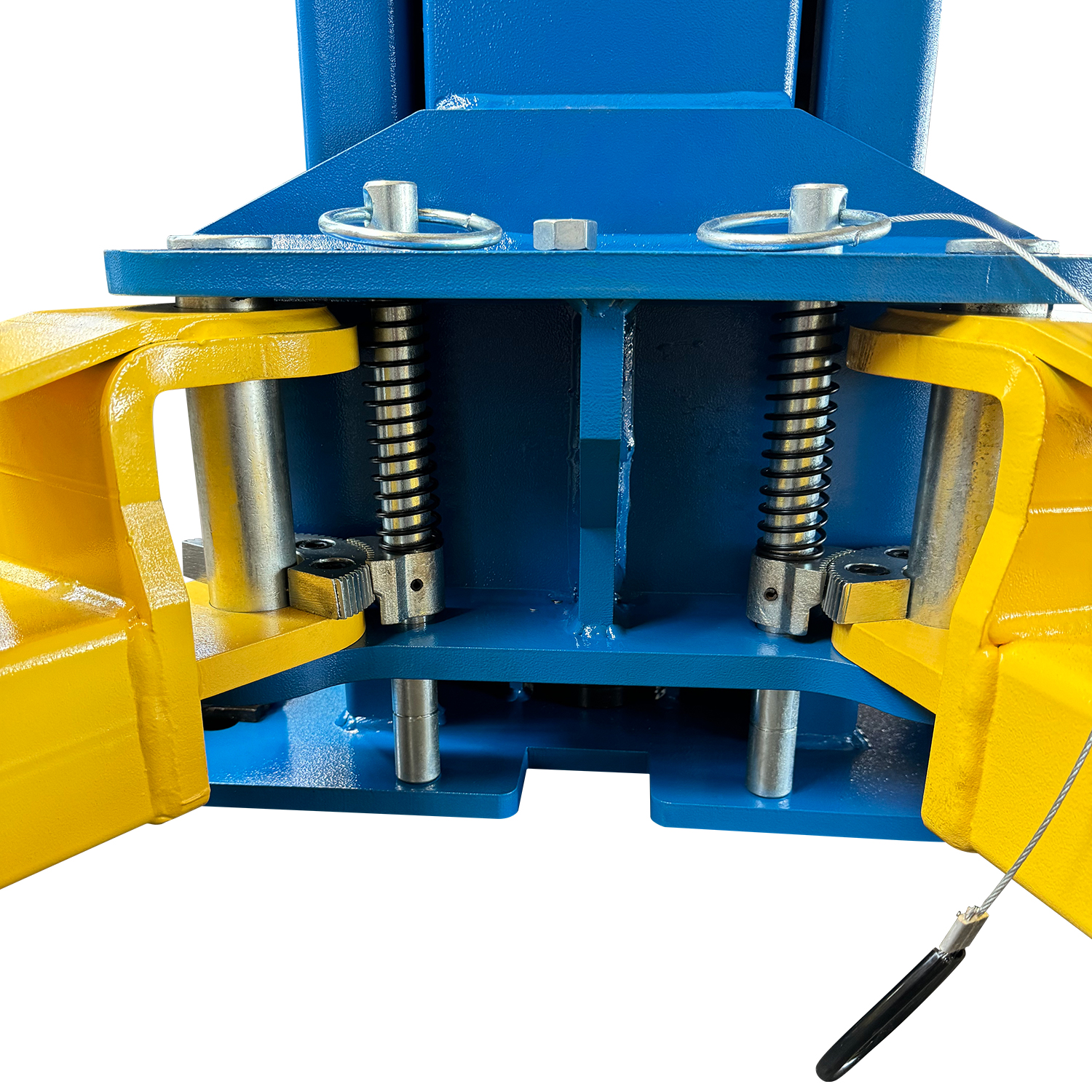
Installation is not just a one-time task—it determines how your two post garage lift performs for years.
Key considerations include:
● Concrete thickness and anchor quality
● Proper column alignment
● Accurate arm positioning
An overhead 2 post hoist simplifies daily movement by eliminating floor-level cables, reducing trip hazards and wear points.
🧰Maintenance Strategy and the 36-Month Parts Replacement Cycle
Every hoist wears—but smart designs wear predictably.
AutoHydra’s 2 post hoist follows a 36-month recommended parts replacement cycle, allowing garage owners to:
● Plan maintenance budgets
● Reduce unexpected downtime
● Maintain consistent lifting performance
Routine inspections—hydraulics, cables, arm locks—extend lifespan and preserve safety margins.
🏪Where a 2 Post Hoist Delivers the Highest ROI
A commercial 2 post hoist excels in environments where space and efficiency matter most:
● Independent repair shops
● Fleet maintenance centers
● Urban garages with limited floor area
● Advanced home workshops
Its compact footprint and fast operation make it ideal for high-frequency lifting scenarios.
❓2 Post Hoist FAQ – Buyer Questions That Matter
Q1: Is a 9,000 lb 2 post hoist enough for daily commercial use?
Yes. It covers most passenger and light commercial vehicles efficiently.
Q2: Does a 220V 2 post hoist reduce energy strain?
Yes. It operates more efficiently with less motor stress.
Q3: How often should a 2 post hoist be serviced?
Routine checks monthly, with key parts replaced around 36 months.
Q4: Is an overhead 2 post hoist better than floor-plate models?
Overhead models improve safety, durability, and workflow.
Q5: Can one 2 post hoist handle multiple vehicle sizes?
Yes, with proper arm adjustment and weight distribution.
🔍Why AutoHydra’s 2 Post Hoist Fits Real Garage Conditions
AutoHydra’s 220V heavy-duty 2 post hoist is designed for real-world use—not idealized specs.
Key advantages include:
● 9,000 lb lifting capacity
● Overhead structural design
● Predictable maintenance cycle
● Strong adaptability to varied garage environments
Explore additional configurations here:
🛒Ready to Upgrade Your Garage? Choose AutoHydra Today
If you want a reliable, future-proof 2 post hoist that matches your space, power supply, and workload, AutoHydra offers a proven solution.
📌Make the smart choice now—optimize safety, efficiency, and long-term value with AutoHydra.
🚀Learn more:
Two Post Garage Lifts: The Complete 2026 Buyer’s Guide for Home Garages & Shops
How a Car Hoist Lift Transforms Parking & Repair Efficiency
Recommended News