
Unlocking the Smart Buy: Tire & Balance Machine Guide
🌟Introduction: A Modern Look at Tire Balancing Technology
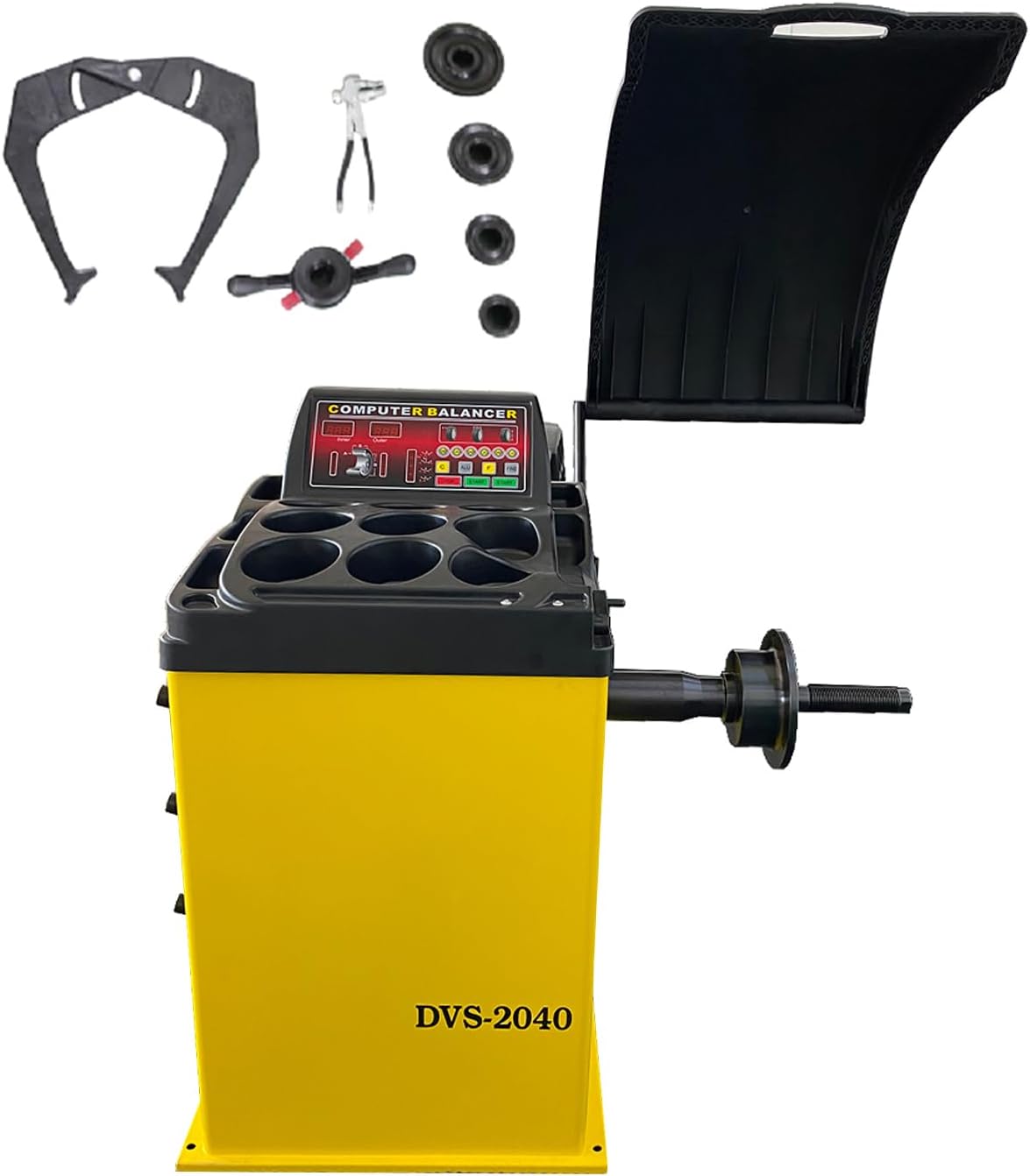
Most buyers approach a tire and balance machine assuming all models perform the same task—spin a wheel, detect imbalance, add weights, done. But the truth is far more fascinating. Today’s 24-inch heavy-duty balancers have evolved into intelligent diagnostic systems that support garages, home mechanics, and full-scale tire shops.
This article doesn’t follow the typical “definition → features → conclusion” flow. Instead, it takes you through a journey of real-world buying logic, troubleshooting insights, and usage scenarios. You’ll learn how to select the right machine by understanding not just what features exist—but why those features matter.
And yes, we’ll highlight AutoHydra’s fully-warrantied 24-inch model along the way.
🌀The Tire and Balance Machine Through the Eyes of a User
Most reviews talk about specifications. Few talk about what it feels like to use a machine daily. So let's start here.
The experience of operating a tire and balance machine is defined by three things:
1. How quickly it stabilizes the wheel.
2. How clearly it communicates imbalance.
3. How reliably it stays calibrated.
🧭Why Accuracy Equals Comfort on the Road
Even a minor imbalance—1 or 2 grams—can translate into vibration once a vehicle exceeds 60 mph. That’s why you need a machine that automatically detects micro-variations in weight. The AutoHydra unit is engineered for high-sensitivity detection useful for both lightweight passenger tires and heavier off-road rims.
🪛The Everyday User vs. the Professional Shop
A home user needs simplicity; a shop needs speed. Fortunately, heavy-duty 24-inch machines can satisfy both. AutoHydra’s model, for example, includes rapid-cycle balancing designed for high-volume workshops while still being intuitive enough for personal garage setups.
⚡When Size Matters — The 24-Inch Advantage in Tire and Balance Machines
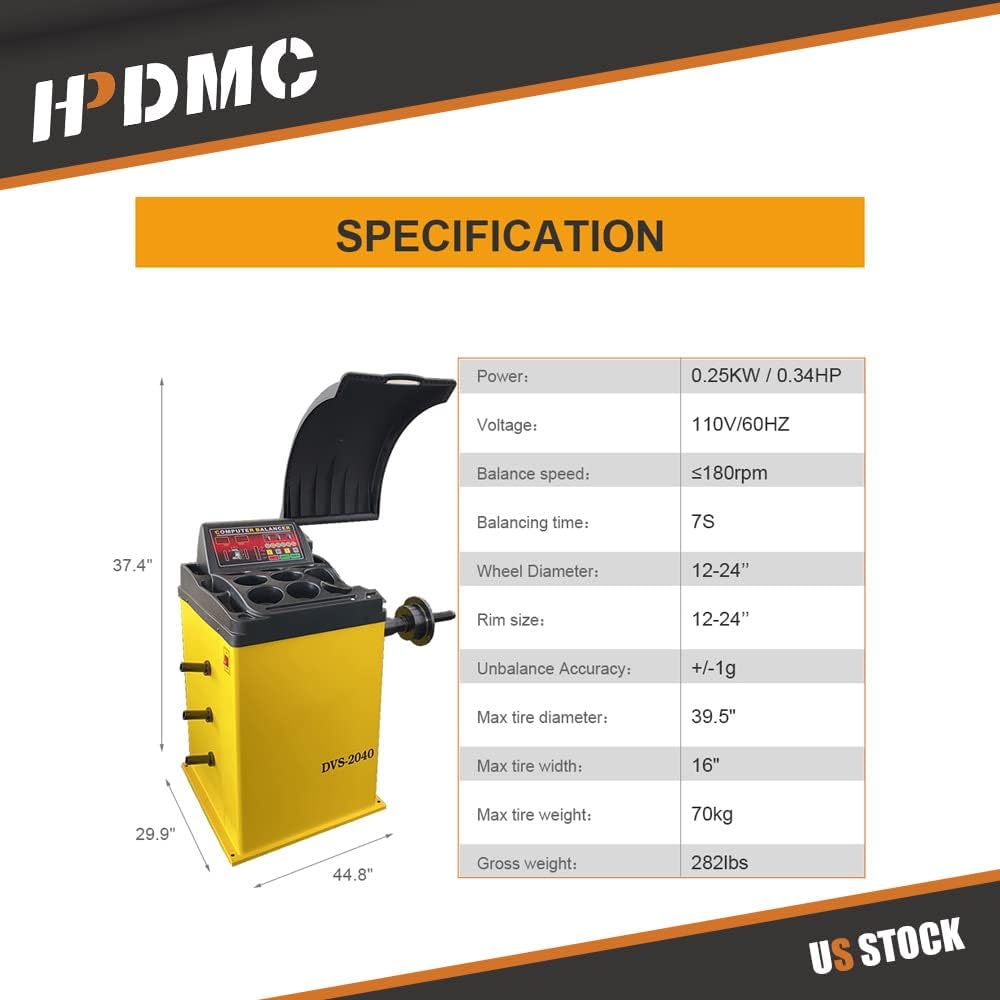
Wheel size trends keep increasing. Where 15–17 inches were standard a decade ago, 19–22 inches are increasingly common today.
Choosing a 24-inch tire and balance machine ensures future-proof compatibility.
📐Understanding Rim Capacity as a Long-Term Investment
A 24-inch balancer handles:
● SUVs and crossovers
● Light trucks
● Vans and transport vehicles
● Aftermarket oversized rims
This eliminates the need for future machine upgrades.
🏋️Heavy-Duty Tires Demand Heavy-Duty Support
Big wheels are heavier. A robust spindle, powerful motor, and precise clamps allow the machine to withstand long-term usage. AutoHydra’s version is built specifically for heavy workloads without sacrificing measurement accuracy.
🔍What Buyers Often Overlook in Tire and Balance Machines
Buyers usually compare price, rim capacity, and warranty—but miss subtler details that impact performance.
🧩Calibration Stability — The Silent Hero
A machine that loses calibration frequently causes repeat balancing jobs. Good machines maintain stability even after multiple heavy tires. AutoHydra’s balancing software includes automated calibration checks to reduce drift.
🔊Noise, Vibration & Workspace Compatibility
Many machines vibrate excessively, causing noisy operation and inaccurate readings. A high-quality unit uses:
● Reinforced internal structure
● Balanced motor
● Shock-resistant housing
These reduce noise and promote consistent balancing in busy shops.
🛒A Different Way to Choose a Tire and Balance Machine — Purpose First
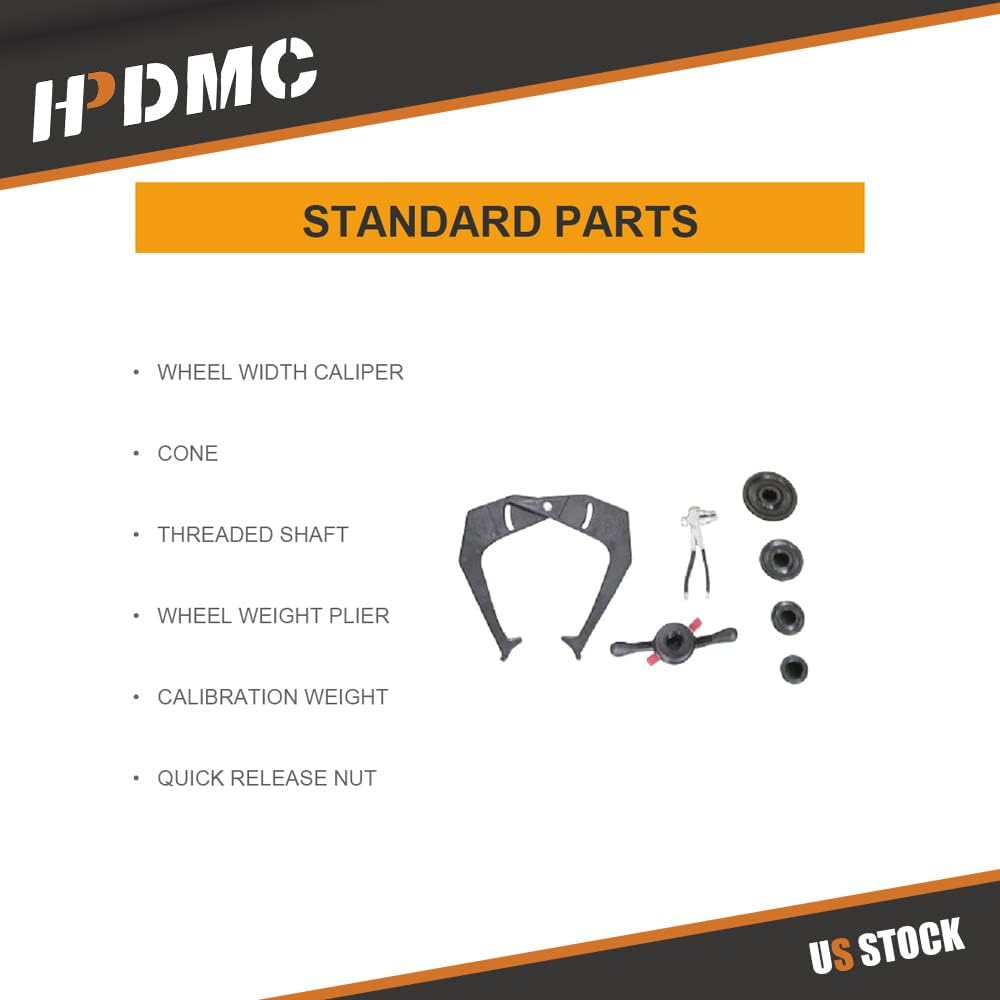
Instead of comparing specs first, start by identifying your use case. The machine you choose should match your work environment.
🏠If You’re a Home Mechanic
You need:
● Compact footprint
● Easy learning curve
● Stable calibration
● Reliable clamping system
A 24-inch balancer like AutoHydra’s opens the door to working on any vehicle you own—including future upgrades.
🏭If You Run a Tire or Service Shop
You need:
● High duty cycles
● Fast readout
● Precision at high rotation speeds
● Durability over years of use
This is where the 2-year full warranty of AutoHydra becomes a major advantage.
🛒Explore more tire equipment and wheel balancer options here:
🔧Real Application Scenarios for Tire and Balance Machines
Rather than vague textbook descriptions, here are real cases where a tire and balance machine becomes essential.
🚚Fleet Maintenance
Delivery vans and corporate fleets accumulate mileage quickly. Proper balancing reduces fuel consumption and prevents early tire failure.
🏎️Performance Tuning and Off-Road Vehicles
Large and aggressive tread tires require precise balancing for safe high-speed operation. Heavy-duty machines with 24-inch capacity handle this effortlessly.
🧰Troubleshooting Your Tire and Balance Machine Like a Pro
No equipment runs flawlessly forever. Knowing how to troubleshoot ensures longevity.
🛑Symptom — Readings Change Every Spin
Likely causes:
● Loose wheel mounting
● Dirty shaft
● Calibration drift
Cleaning and re-securing typically resolves issues.
🧯Symptom — Excessive Noise or Shaking
Possible issues:
● Motor imbalance
● Internal housing loosened
● Wheel mounted improperly
Keeping the unit level and checking motor mounts can prevent these issues.
📊Why AutoHydra’s 24-Inch Tire and Balance Machine Stands Out
| Feature | AutoHydra Advantage | Why It Beats Competitors |
| 2-Year Full Warranty | Covers all components | Most brands only offer 1 year partial coverage |
| Heavy-Duty 24" Capacity | Supports oversized and commercial wheels | Others struggle with heavy rims or slow spin-up |
| Precision Balancing System | High-sensitivity sensors + stable calibration | Competitors drift quickly and require frequent recalibration |
| 🛒buy now |
❓FAQs about AutoHydra’s 24-Inch Tire and Balance Machine
1. Can a 24-inch tire and balance machine handle passenger car wheels?
Yes—24" simply indicates the maximum. Smaller wheels fit perfectly.
2. How often should I calibrate the machine?
Most modern units auto-check, but manual calibration every 2–4 weeks is recommended.
3. Is heavy-duty balancing equipment suitable for home garages?
Absolutely. Many home users invest in 24-inch balancers for long-term flexibility.
4. Does tire balancing really improve fuel efficiency?
Yes. Proper balancing reduces rolling resistance and vibration, improving efficiency.
5. Where can I learn more about tire equipment combinations?
AutoHydra has an excellent guide here:
AUTO HYDRA’s Promotional Model & Complete Buyer’s Guide
🚀Don’t Wait — Get Your Tire and Balance Machine Today!
If you're considering upgrading your garage or workshop, a 24-inch heavy-duty tire and balance machine is the smartest long-term investment. AutoHydra delivers professional accuracy, exceptional durability, and a full two-year warranty.
🚀⚡⚡⚡Your next upgrade is only one smart choice away.🛒buy now
Recommended News