
Tire Changer & Wheel Balancer: How to Avoid Common Mistakes in Tire Service
Tire service is a critical part of any auto shop’s operations, but even experienced technicians can fall victim to preventable mistakes. From scratched rims to imbalanced wheels that cause customer complaints, these errors eat into profits and damage reputations. Here comes the good news. With the right techniques and equipment—like AUTO HYDRA’s tire changers and wheel balancers—you can eliminate these headaches. Let’s dive into the most common pitfalls and how to steer clear of them.
Common Mistakes with Tire Changers (and How to Fix Them)
Tire changers are workhorses, but mishandling them can turn a simple tire swap into a costly disaster. Here’s what to watch for:
1. Scratching or Damaging Rims
The Problem: A customer’s brand-new alloy rim comes back from tire service with a jagged scratch, and suddenly you’re looking at a pricey replacement. This happens when metal clamps or tools make direct contact with the rim’s finish during mounting or dismounting.
Why It Happens: Many tire changers use unprotected steel clamps that dig into soft alloys, especially when technicians rush to tighten them. Cheap plastic covers on clamps often wear out quickly, leaving rims vulnerable.
The Solution:
- Use non-marring clamps with durable rubber coatings. AUTO HYDRA’s tire changers feature thick, high-grade rubber on their clamp jaws, which grip tightly without leaving a mark—even on polished chrome or custom rims.
- Adjust clamp pressure carefully. AUTO HYDRA’s models have adjustable tension controls, so you can snug the clamp just enough to hold the rim steady without over-tightening.
- Opt for a changer with a protective mounting head. The rounded, rubberized head on AUTO HYDRA’s premium models glides between the tire and rim, preventing accidental scrapes during bead seating.
2. Struggling with Run-Flat or Low-Profile Tires
The Problem: You spend 20 minutes wrestling with a run-flat tire, only to tear the sidewall or bend the rim. Low-profile tires, with their stiff sidewalls and tight fits, are just as frustrating—turning a 5-minute job into a 30-minute battle.
Why It Happens: Basic tire changers lack the leverage and precision needed to handle stiff, modern tires. Their mounting arms are too short or lack the flexibility to guide the tire onto the rim without force.
The Solution:
- Invest in a changer with assist arms. AUTO HYDRA’s professional-grade models come with dual assist arms that apply gentle, even pressure to the tire bead, making it easy to slip stubborn run-flats or low-profiles onto the rim.
- Use a bead loosener with variable force. AUTO HYDRA’s bead loosener lets you adjust pressure, so you can loosen tough beads without slamming into the rim and causing damage.
3. Incorrect Bead Breaking
The Problem: You hit the bead breaker too hard, bending the rim flange, or not hard enough, leaving the bead stuck and wasting time. Either way, you’re losing efficiency and risking damage.
Why It Happens: Manual bead breakers require brute force, while poorly designed hydraulic ones deliver uneven pressure. Technicians often overcompensate, leading to rim damage.
The Solution:
- Choose a changer with a precision bead breaker. AUTO HYDRA’s hydraulic bead breaker uses a wide, flat foot to distribute pressure evenly across the bead, breaking it loose with minimal force. This protects the rim while getting the job done in seconds.
- Follow the “3-point rule”: Break the bead at three evenly spaced points around the rim to avoid warping. AUTO HYDRA’s changers make this easy with clear alignment markers.
Common Mistakes with Wheel Balancers (and How to Avoid Them)
A wheel that’s “balanced” but still vibrates is a surefire way to lose customers. Here’s how to ensure your balancing jobs are perfect every time:
1. Inaccurate Balancing Readings
The Problem: You balance a wheel, but the customer complains of vibration at 60 mph. The issue? The balancer’s sensors are off, or you entered the wrong wheel dimensions.
Why It Happens: Cheap balancers have low-quality sensors that drift over time, especially in dusty shop environments. Manual entry of rim size, width, and offset is also prone to human error.
The Solution:
- Use a balancer with high-precision sensors. AUTO HYDRA’s wheel balancers, like the DVS-790, measure unbalance down to 1 gram—so even tiny discrepancies are caught.
- Opt for automatic data input. AUTO HYDRA’s balancers feature a digital measuring arm that automatically detects rim size and width, eliminating typos and ensuring accurate readings.
2. Ignoring Hidden Unbalances
The Problem: You balance a wheel dynamically (for side-to-side balance) but miss a static unbalance (up-and-down), leading to vibration at low speeds.
Why It Happens: Basic balancers only offer one balancing mode, forcing technicians to guess which one to use. This is a common issue with larger truck wheels or custom rims.
The Solution:
- Choose a balancer with multiple modes. AUTO HYDRA’s models include static, dynamic, and “alloy” modes (for lightweight rims), ensuring you address every type of unbalance. The clear display guides you to the right mode for each wheel.
3. Poor Weight Placement
The Problem: You apply wheel weights, but they fall off after a few miles because the rim wasn’t clean, or you used the wrong type of weight.
Why It Happens: Rims are often covered in dirt, oil, or old adhesive, preventing weights from sticking. Using clip-on weights on alloy rims with narrow flanges can also lead to them popping off.
The Solution:
- Clean rims thoroughly before applying weights. AUTO HYDRA’s balancer stations include a built-in cleaning brush and solvent tray to prep the rim surface.
- Use adhesive weights for alloy rims. AUTO HYDRA’s weight kits include high-strength adhesive weights that stay put, even on curved or narrow rims.
Why AUTO HYDRA’s Tire Equipment Makes a Difference
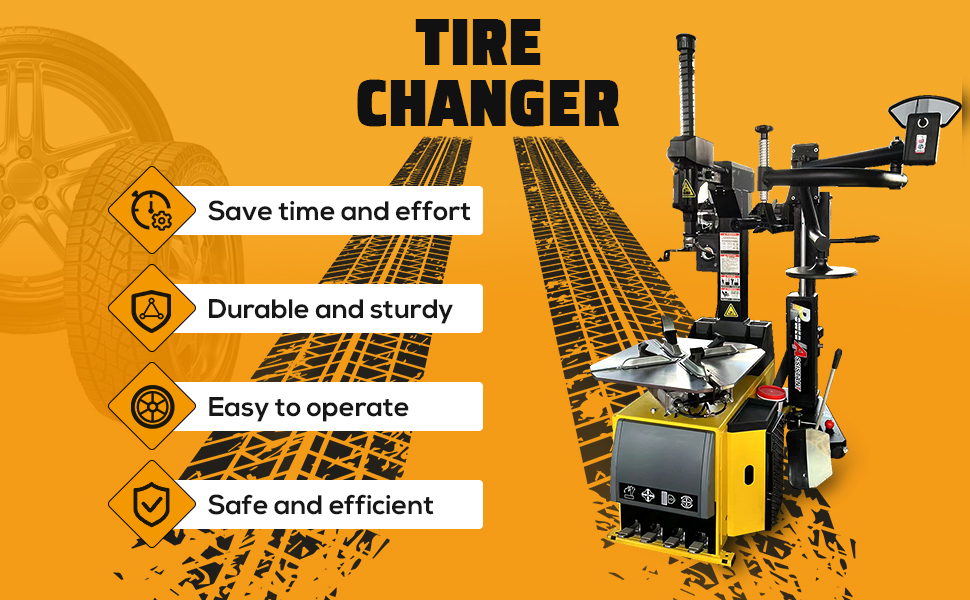
AUTO HYDRA’s tire changers and wheel balancers are designed to eliminate these mistakes through smart engineering:
- Durable Construction: Rubber components resist wear, ensuring non-marring performance for years.
- User-Friendly Features: Clear displays, adjustable settings, and ergonomic controls reduce training time and errors.
- Versatility: From 10” ATV rims to 24” truck wheels, these tools handle it all—no need for multiple machines.
Ready to Upgrade Your Tire Service?
Avoiding mistakes starts with the right equipment. AUTO HYDRA’s tire changers and wheel balancers make it easy to deliver flawless results, keeping customers happy and your shop profitable.
Explore AUTO HYDRA’s Tire Equipment Collection to see how they can transform your tire service operations.
Recommended News