
How to Lift a Car: A Safe, Step-by-Step Guide for Home Mechanics & Pros
Knowing how to lift a car safely is a fundamental skill for anyone performing undercarriage repairs, tire changes, or maintenance. Whether you’re a DIY enthusiast working in a home garage or a professional mechanic in a shop, using the right tools and following proper procedures prevents accidents and damage to your vehicle.
This guide breaks down the safest methods on how to lift a car, the tools you’ll need, and how to choose the right lifting equipment for your needs—including AutoHydra’s premium car lifts designed for every scenario.
Tools About How to Lift a Car Safely
Before you learn how to lift a car, it’s critical to gather the right tools—using improper equipment is the leading cause of car lifting accidents. Tools fall into two categories: basic DIY options for occasional use, and professional car lifts for regular maintenance.
Basic DIY Tools (Jack, Jack Stands)
● Hydraulic Floor Jack: The most common DIY tool—choose a model with weight capacity matching your vehicle (e.g., 3-ton jack for sedans, 5-ton for SUVs).
● Jack Stands: ⚠️ Non-negotiable for safety—never rely on a jack alone. Select stands rated higher than your vehicle’s curb weight.
● Wheel Chocks: Prevent rolling while lifted (place behind wheels that won’t be raised).
● Rubber Jack Pads: Protect the vehicle’s frame from scratches or deformation.
Professional Car Lifts (Scissor, Two Post, Four Post)
For frequent lifting (e.g., home garages with regular repairs or professional shops), a dedicated car lift is safer, faster, and more efficient. AutoHydra offers three main types:
● Scissor Lift: Compact, low-profile design ideal for small garages or mobile repair services. Shop Now
● Two Post Car Lift: Space-saving option for undercarriage repairs (oil changes, brake work). Learn More
● Four Post Car Lift: Stable, heavy-duty choice for vehicle storage and large repairs. Learn More
How to Lift a Car with a Jack & Jack Stands (Step-by-Step)
Lifting a car with a jack and jack stands is the most common DIY method—follow these steps to do it safely.
1. Prepare the Vehicle & Workspace
● Park on a flat, hard surface (concrete is best; avoid asphalt or dirt).
● Engage the parking brake and place wheel chocks behind non-lifted wheels.
● Turn off the engine and let the car cool—hot exhaust or brakes can cause burns.
2. Locate the Correct Lift Points
Every car has designated lift points—always consult your owner’s manual:
● Sedans/SUVs: Metal pinch welds along the rocker panel or reinforced frame rails near bumpers.
● Trucks: Frame crossmembers or solid axle tubes.
● ✅ Place a rubber jack pad on the lift point to prevent damage.
3. Raise the Car with a Jack
● Position the hydraulic floor jack centered under the lift point.
● Pump slowly until the wheel is 6–12 inches off the ground—enough clearance to work.
● ⚠️ Never go under the car while it’s supported only by the jack—this causes most DIY accidents.
4. Secure the Car with Jack Stands
● Place jack stands under structural points (frame or axle), aligned with lift points.
● Lower the jack slowly until the car rests fully on the stands.
● ✅ Give the car a gentle shake to confirm stability.
● Retract the jack completely to create workspace clearance.
How to Lift a Car with Professional Car Lifts (For Garages & Shops)
Professional lifts make lifting faster, safer, and more repeatable. Here’s how to use each type of AutoHydra lift:
How to Lift a Car with a Scissor Lift (Space-Saving Option)
Ideal for small garages or mobile techs:
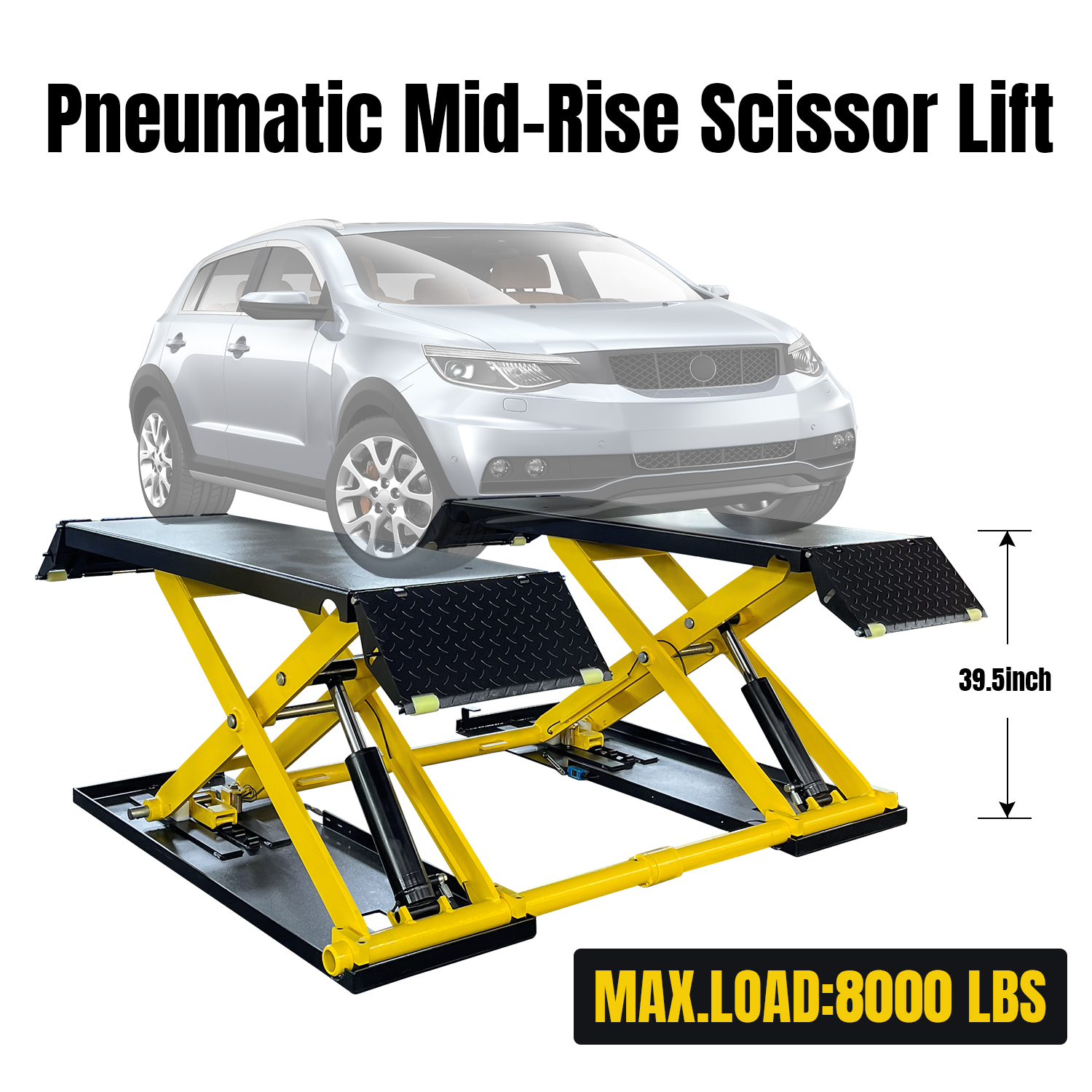
● Position the scissor lift under the car’s center frame rails or pinch welds.
● Adjust lift pads (use low-clearance adapters if needed).
● Activate the hydraulic pump (manual or electric) to raise to 3–4 feet.
● ✅ Engage safety locks before working.
AutoHydra’s scissor lift features a 3.9-inch collapsed height and 8,000 lbs capacity—perfect for most cars and SUVs.
How to Lift a Car with a Two Post Car Lift (Repair-Focused)
Best for oil changes, brake jobs, and suspension work:
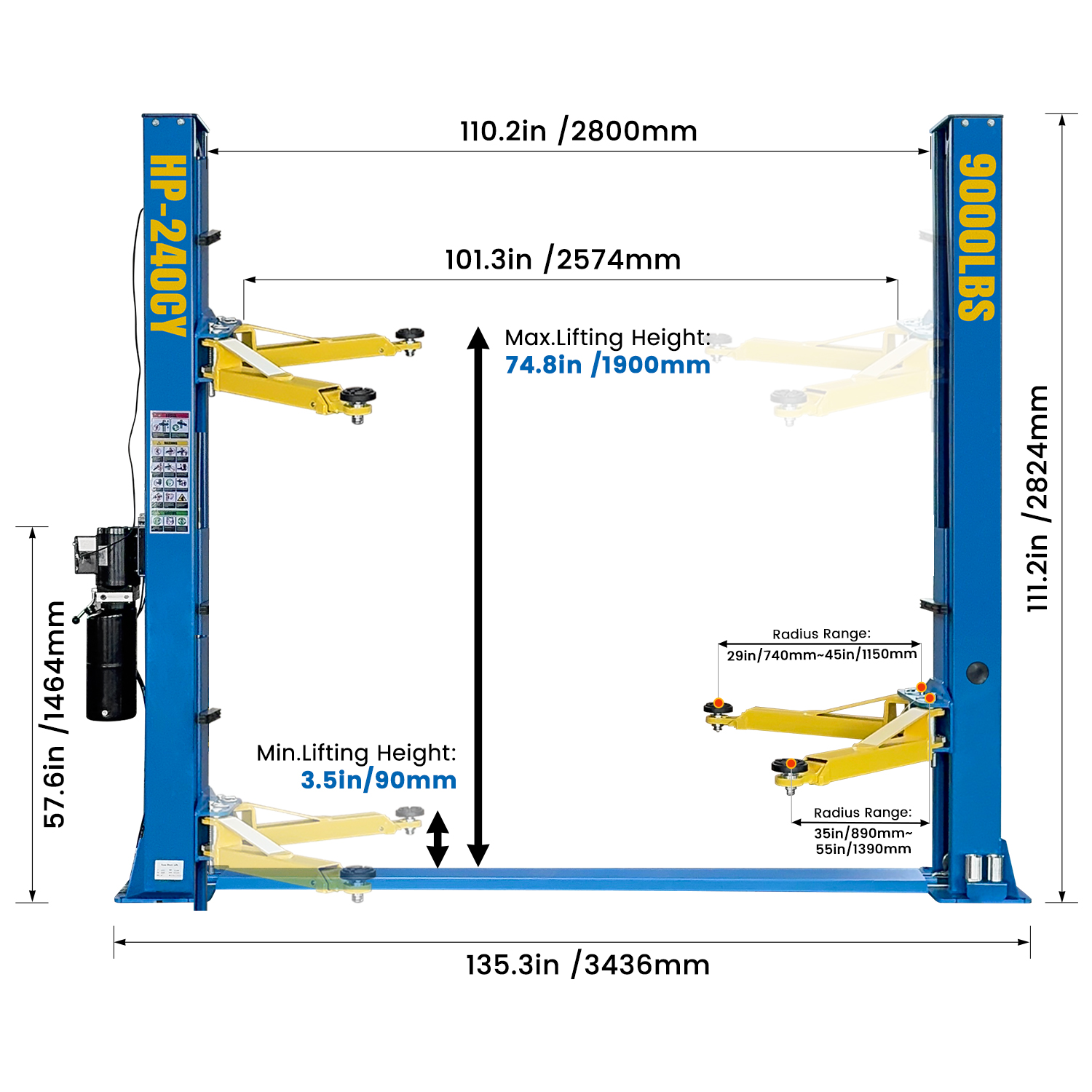
● Drive the car centered between the columns.
● Adjust arms to align with frame rails or pinch welds; use rubber pads to protect paint.
● Raise slowly to 1–2 feet, check alignment, then continue to up to 6 feet.
● ✅ Engage mechanical safety latches at final height.
For a detailed walkthrough, read: Two Post Car Lift: Complete Guide.
Shop AutoHydra’s Two Post Lift
How to Lift a Car with a Four Post Car Lift (Storage & Heavy-Duty)
Perfect for long-term storage or major repairs:
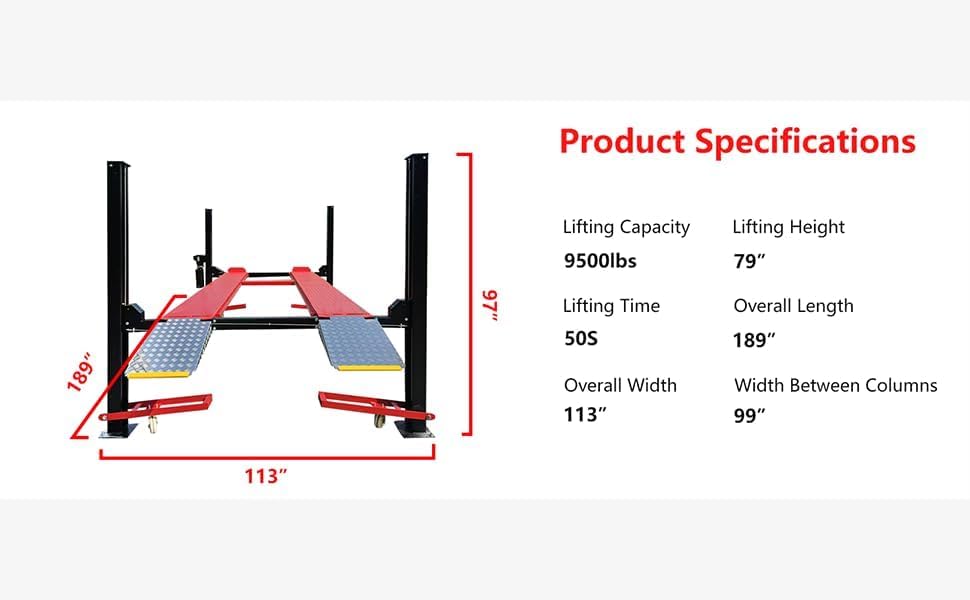
● Drive the car onto the ramps, aligning wheels carefully.
● Secure wheels with chocks or tie-downs to prevent movement.
● Raise to desired height (up to 4 ft for storage, 6 ft for repairs).
● ✅ Engage safety locks and verify stability.
AutoHydra’s four post lift supports up to 11,000 lbs—ideal for trucks and large SUVs.
How to Choose the Right Car Lift for Your Needs
Selecting the right lift depends on your space, vehicle type, and usage frequency. Our comprehensive guide walks you through it:
👉 Hydraulic Car Lift: A Complete Buying Guide
Quick reference:
● Small Garages / DIY Enthusiasts: 🛠️ Scissor lift (portable, compact)
● Home or Pro Repair Shops: 🚗 Two post lift (optimal for undercarriage access)
● Vehicle Storage / Heavy-Duty Work: 🚚 Four post lift (maximum stability & capacity)
Safety Mistakes to Avoid When Lifting a Car
Even experienced users can slip up—avoid these common hazards:
⚠️ Using a jack alone → Always use jack stands.
⚠️ Lifting on soft surfaces → Use concrete or steel lift plates.
⚠️ Incorrect lift points → Never lift on plastic panels, fuel lines, or suspension components.
⚠️ Overloading equipment → Respect manufacturer weight limits.
⚠️ Working under a wobbly car → Always test stability with a gentle shake.
⚠️ Ignoring safety locks → On professional lifts, always engage mechanical locks.
FAQ: Common Questions About How to Lift a Car
Q1: How high should I lift a car for repairs?
6–12 inches for tire changes or basic work; waist height (~3 ft) for comfortable undercarriage access.
Q2: Can I lift a car with a bottle jack?
Only for emergency tire changes. Bottle jacks are unstable for extended work—always pair with jack stands.
Q3: What’s the safest way to lift a low-clearance car?
Use a low-profile floor jack or scissor lift with adapters. Lift at frame rails or pinch welds—never the bumper.
Q4: How much weight can AutoHydra’s car lifts support?
● Scissor lift: 7,000 lbs
● Two post lift: 9,000–11,000 lbs
● Four post lift: 11,000 lbs
Q5: Do I need professional installation?
● Scissor lifts: Can be installed by two people with basic tools.
● Two/Four post lifts: Require professional installation for proper anchoring and concrete foundation.
🚀 How to Lift a Car with AutoHydra's Professional-Grade Car Lifts
Now that you know how to lift a car safely, equip your workspace with reliable, engineered-for-safety lifting solutions from AutoHydra—trusted by DIYers and professionals alike.
🔧 Our Top Car Lift Models at a Glance
| Lift Type | Key Benefit | Ideal For | Action |
| Scissor Lift | Ultra-low profile (3.5") • 7,000 lbs capacity | Small garages, mobile techs, low-clearance vehicles | ✅Shop Now |
| Two Post Car Lift | Full undercarriage access • 9,000–11,000 lbs | Brake jobs, oil changes, suspension work | 📖 Learn More |
| Four Post Car Lift | Maximum stability • 11,000 lbs capacity | Vehicle storage, heavy trucks, major repairs | 🔒 Secure Yours Today |
💡 Ready to Work Smarter—and Safer?
Your safety isn’t optional—it’s essential.
With AutoHydra, you get industrial-grade durability, intuitive operation, and peace of mind backed by rigorous testing and real-world performance.
🔗 Take the next step:
📘 Check the Hydraulic Car Lift Buying Guide
Invest in the right lift today—and lift with confidence tomorrow.
Recommended News