
Choosing Four Post Auto Lifts That Actually Work with Rolling Jacks
📌Introduction: Why Four Post Auto Lifts Are Being Re-Evaluated
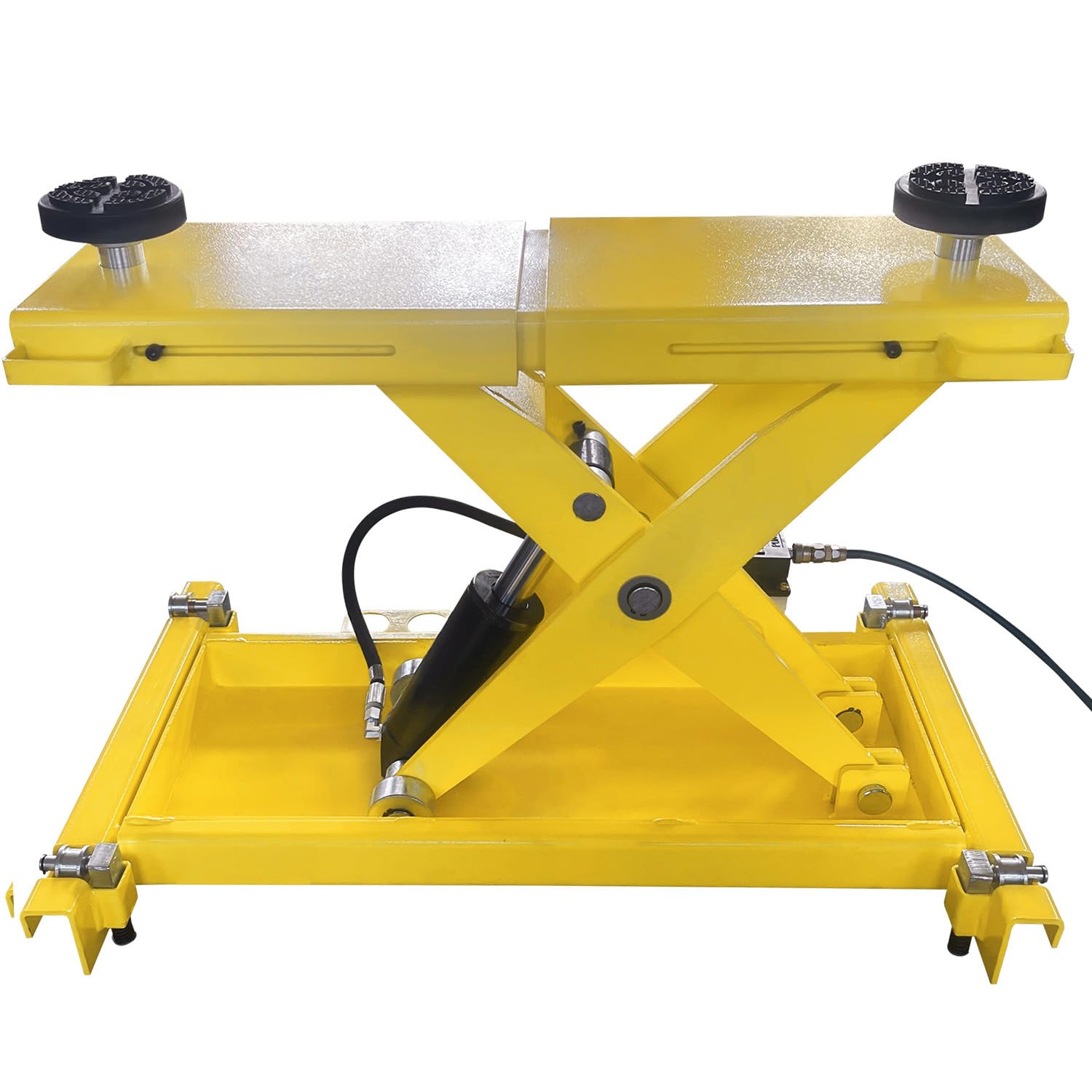
Four post auto lifts are no longer just static vehicle storage tools. In modern workshops, dealerships, and performance garages, they are evolving into multi-functional service platforms, especially when paired with a rolling bridge jack designed for four post auto lifts.
This article takes a decision-first approach—not repeating generic lift descriptions, but helping buyers understand how, why, and when a 7,000 lb rolling bridge jack for four post auto lifts actually makes sense.
If you’re choosing between models, planning shop upgrades, or troubleshooting lift limitations, this guide is built for you.
🚗What Makes Four Post Auto Lifts Different from Other Lift Systems
Four post auto lifts differ fundamentally from two-post or scissor lifts because they support vehicles by the tires, not the frame.
🔍 Key characteristics of four post auto lifts:
● Even weight distribution across four columns
● Higher stability for long-wheelbase vehicles
● Ideal compatibility with rolling bridge jacks for four post lifts
Unlike other systems, four post auto lifts become truly versatile only when paired with the right jack system, allowing wheels-free service without sacrificing stability.
👉 Browse available models here:
available four post auto lifts models
⚙️How Four Post Auto Lifts Work with a Rolling Bridge Jack
A rolling bridge jack for four post auto lifts runs along integrated rails beneath the runways. This transforms the lift from a passive platform into an active service system.
🧠 How the system functions:
● The vehicle is driven onto the lift runways
● The rolling jack slides laterally and longitudinally
● Hydraulic lifting arms raise the chassis off the runways
● Wheels, brakes, and suspension become accessible
This setup is especially efficient in alignment bays, tire shops, and high-throughput service environments.
🧩Key Specifications That Matter When Choosing Four Post Auto Lifts
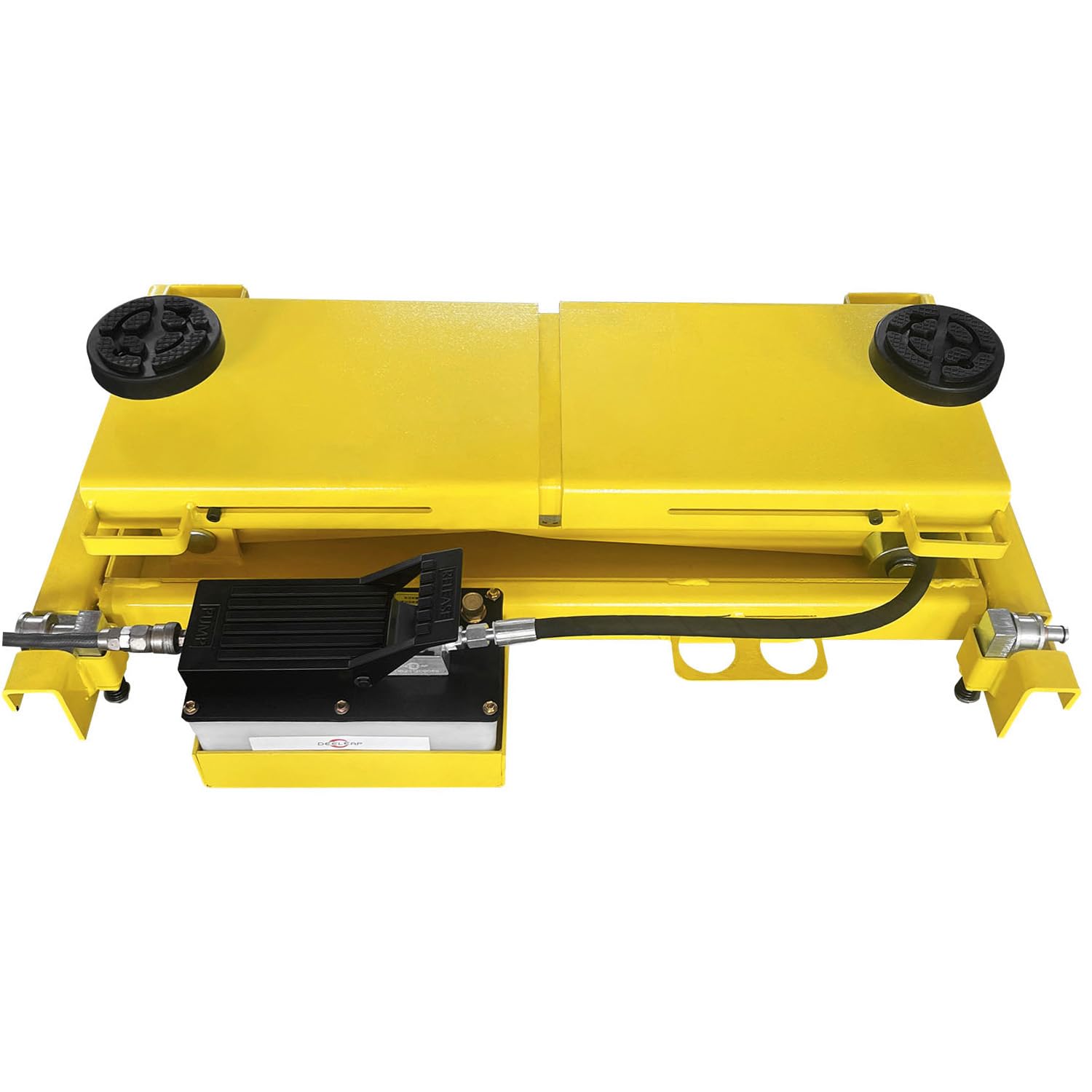
Not all four post auto lifts support the same rolling jack configurations. Choosing the wrong spec can limit performance—or worse, create safety issues.
🔧 Critical specs to evaluate:
🏋️ Lifting Capacity
● The rolling bridge jack discussed here supports 7,000 lbs
● Ideal for sedans, SUVs, light trucks, and EVs
● Always match jack capacity to vehicle GVWR, not just lift rating
📐 Runway Width & Rail Compatibility
● Rolling jacks must match runway rail spacing
● Universal-fit claims should be verified
● Misalignment leads to uneven lifting force
🔩 Hydraulic System Type
● Single-cylinder vs dual-cylinder designs
● Independent locking mechanisms improve safety
● Faster rise times reduce shop downtime
For buyers comparing commercial four post auto lifts with rolling jacks, these specs matter more than headline lift capacity.
🛠️A Smarter Buying Framework for Four Post Auto Lifts (Beyond Price)
Instead of asking “Which lift is cheapest?”, experienced buyers ask:
“Which four post auto lift solves the most problems long-term?”
🧠 Decision factors professionals prioritize:
● Service flexibility (tire, brake, suspension access)
● Workflow efficiency (less vehicle repositioning)
● Maintenance simplicity (fewer wear points)
● Future scalability (jack upgrades, accessories)
A rolling bridge jack for four post auto lifts often delivers higher ROI than upgrading lift height or speed alone.
🔧Common Limitations and Troubleshooting Four Post Auto Lifts
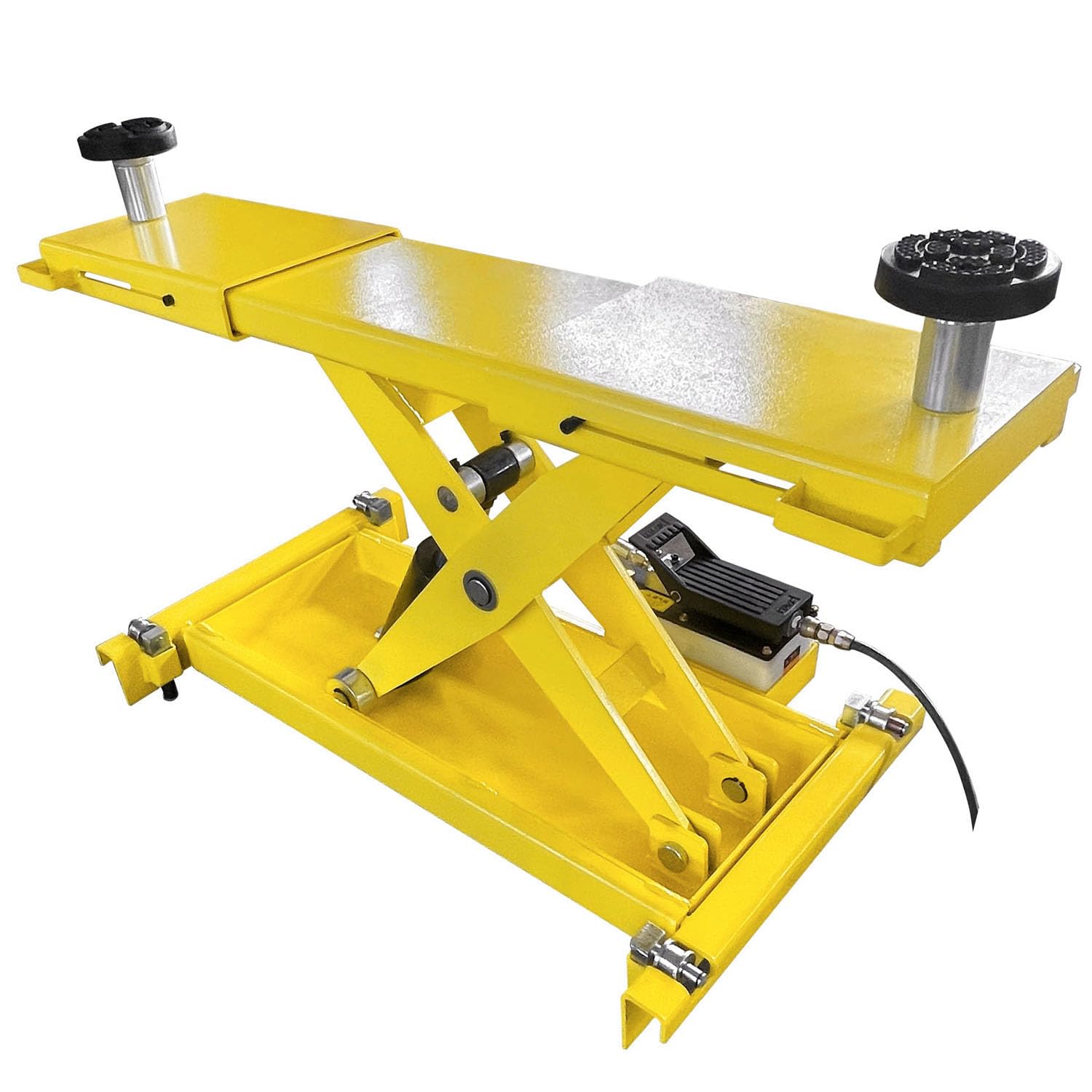
Even well-built four post auto lifts can underperform if misused or poorly matched.
🚨 Common issues buyers encounter:
⚠️ Jack Drift or Uneven Lift
● Often caused by rail wear or improper load centering
● Regular rail lubrication and pressure checks prevent this
⚠️ Limited Wheel Clearance
● Low-profile vehicles require adjustable lifting pads
● Incorrect pad selection reduces safe lifting range
⚠️ Hydraulic Lag
● Air in the system or worn seals
● Preventable with scheduled fluid replacement
Understanding these issues helps buyers choose four post auto lifts designed for real-world service, not just showroom specs.
For a technical breakdown of rolling jack compatibility across lift types, you can also reference AutoHydra’s dedicated guide:
🏁Where Four Post Auto Lifts with Rolling Jacks Excel Most
Different environments demand different lift strategies.
🏢 Ideal application scenarios:
● Auto dealerships: Fast inspections, repeat service workflows
● Performance shops: Suspension tuning without frame stress
● Fleet maintenance: Stable support for repeated use
● Home garages (advanced): Safer than two-post lifts for enthusiasts
In these cases, four post auto lifts with rolling bridge jacks outperform alternatives in both safety and efficiency.
❓FAQ – Four Post Auto Lifts and Rolling Bridge Jacks
Q1: Can all four post auto lifts use a rolling bridge jack?
Not all. Rail design, spacing, and load rating must be compatible.
Q2: Is a 7,000 lb rolling jack enough for trucks?
Yes for light-duty trucks and SUVs. Heavy-duty trucks require higher ratings.
Q3: Does using a rolling jack reduce lift stability?
No—when properly installed, stability remains unchanged.
Q4: Are rolling jacks hard to maintain?
No. Maintenance is straightforward with basic hydraulic knowledge.
Q5: Can one rolling jack work across multiple four post auto lifts?
Sometimes, but only if runway dimensions and rail systems match.
🛒Upgrade Your Four Post Auto Lifts Setup Today
If your current four post auto lift limits wheel service or slows workflow, it’s time to upgrade.
A rolling bridge jack for four post auto lifts isn’t an accessory—it’s a capability multiplier.
👉 Choose AutoHydra to build a lift system that actually works the way modern service demands.
Recommended News